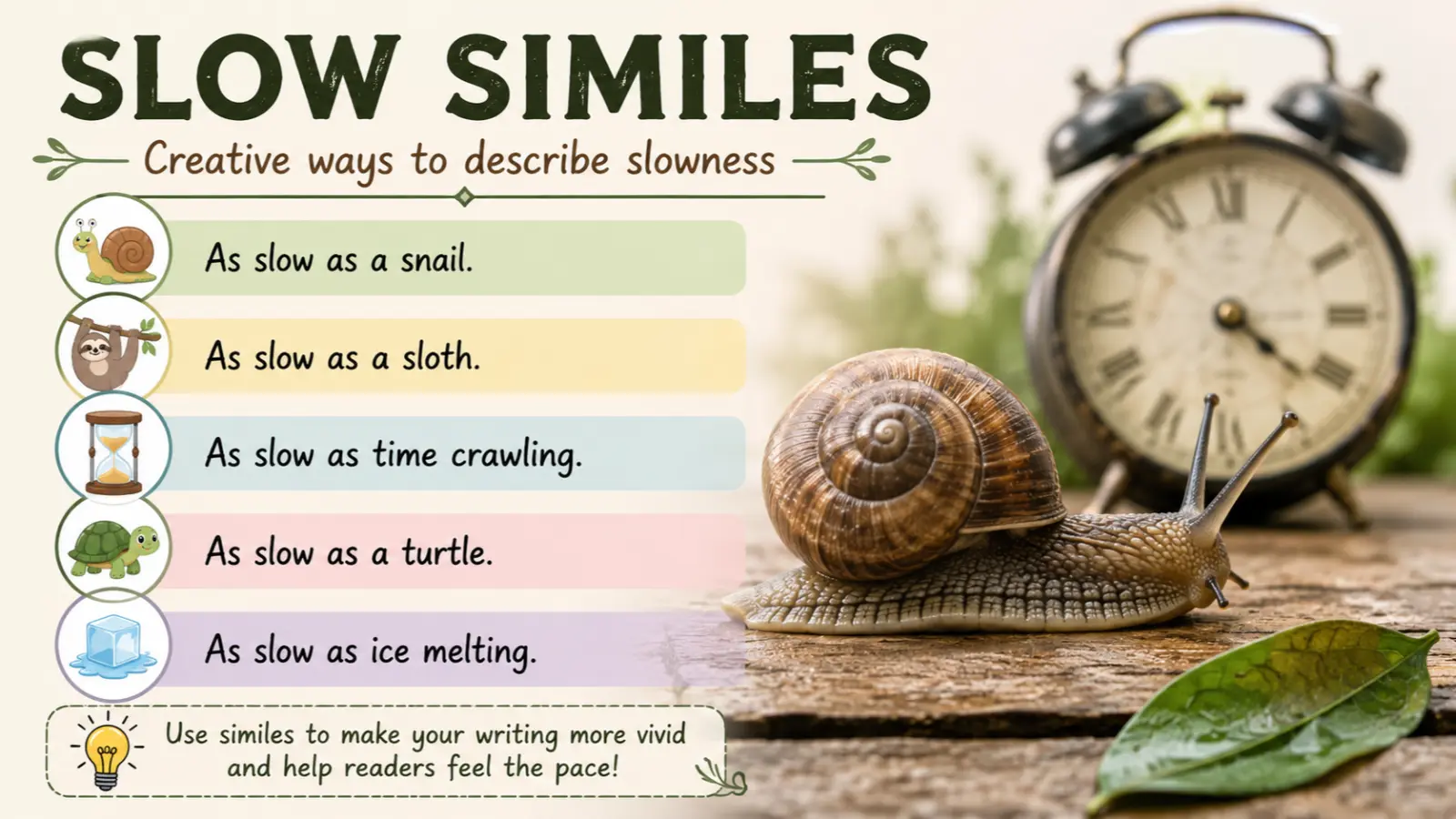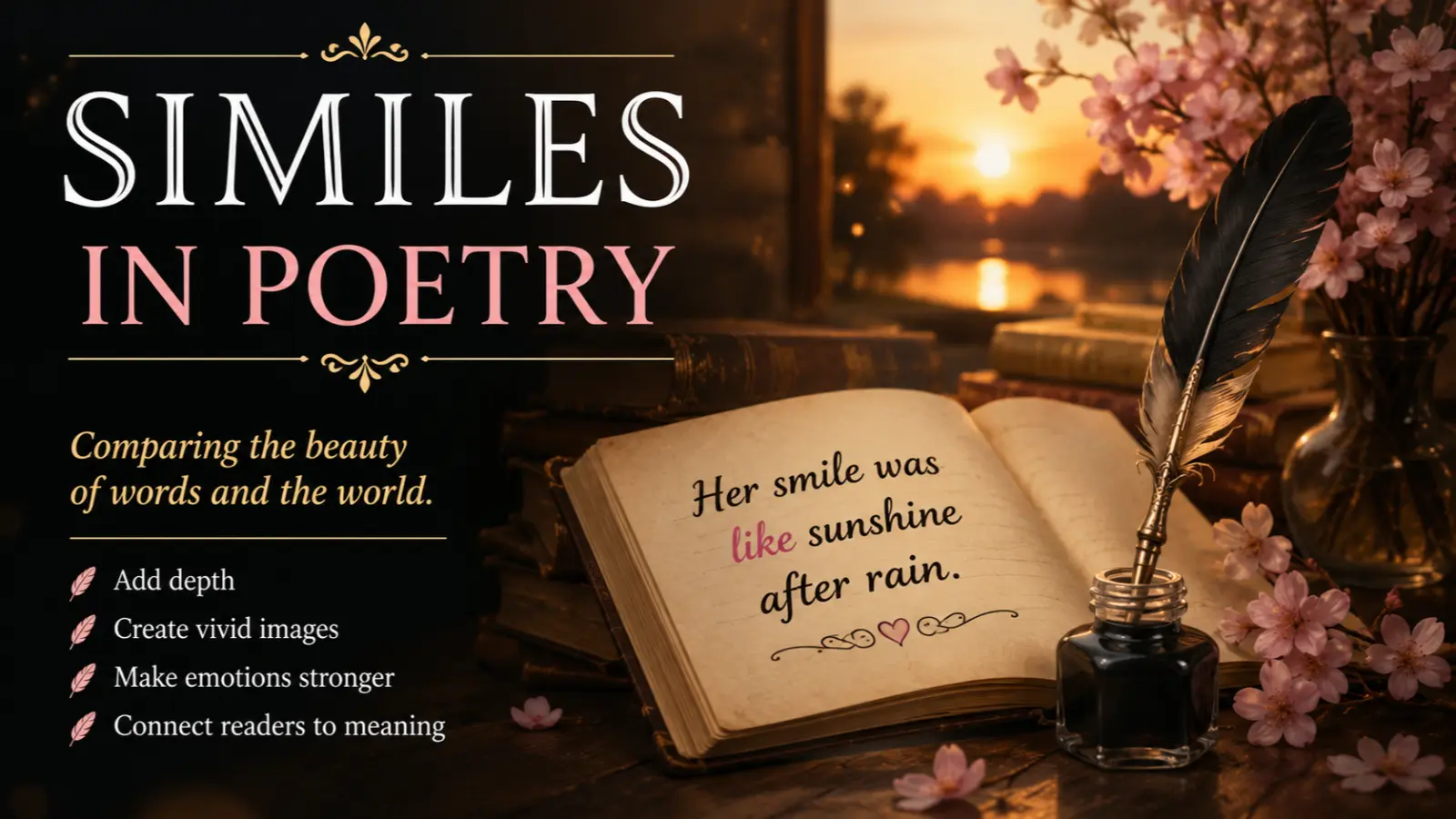
Poetry often turns ordinary moments into unforgettable images. One of the simplest ways to achieve that is through similes. A well-crafted simile helps readers see, hear, and feel an idea by comparing it to something familiar using the words “like” or “as.” Whether you’re writing your first poem or refining your poetic voice, understanding similes in poetry can make your writing richer, more emotional, and easier for readers to connect with. This guide explains how similes work, why poets use them, and how you can create original comparisons that leave a lasting impression.
What Are Similes in Poetry?
A simile is a figure of speech that compares two different things using like or as.
Instead of saying:
The moon was bright.
A poet might write:
The moon shone like a silver lantern above the hills.
The comparison paints a clearer picture and invites readers to imagine the scene.
Poets use similes to:
- Create vivid imagery
- Express emotions creatively
- Add rhythm and beauty
- Make abstract ideas easier to understand
- Help readers experience the poem rather than simply read it
Why Similes Make Poetry More Powerful
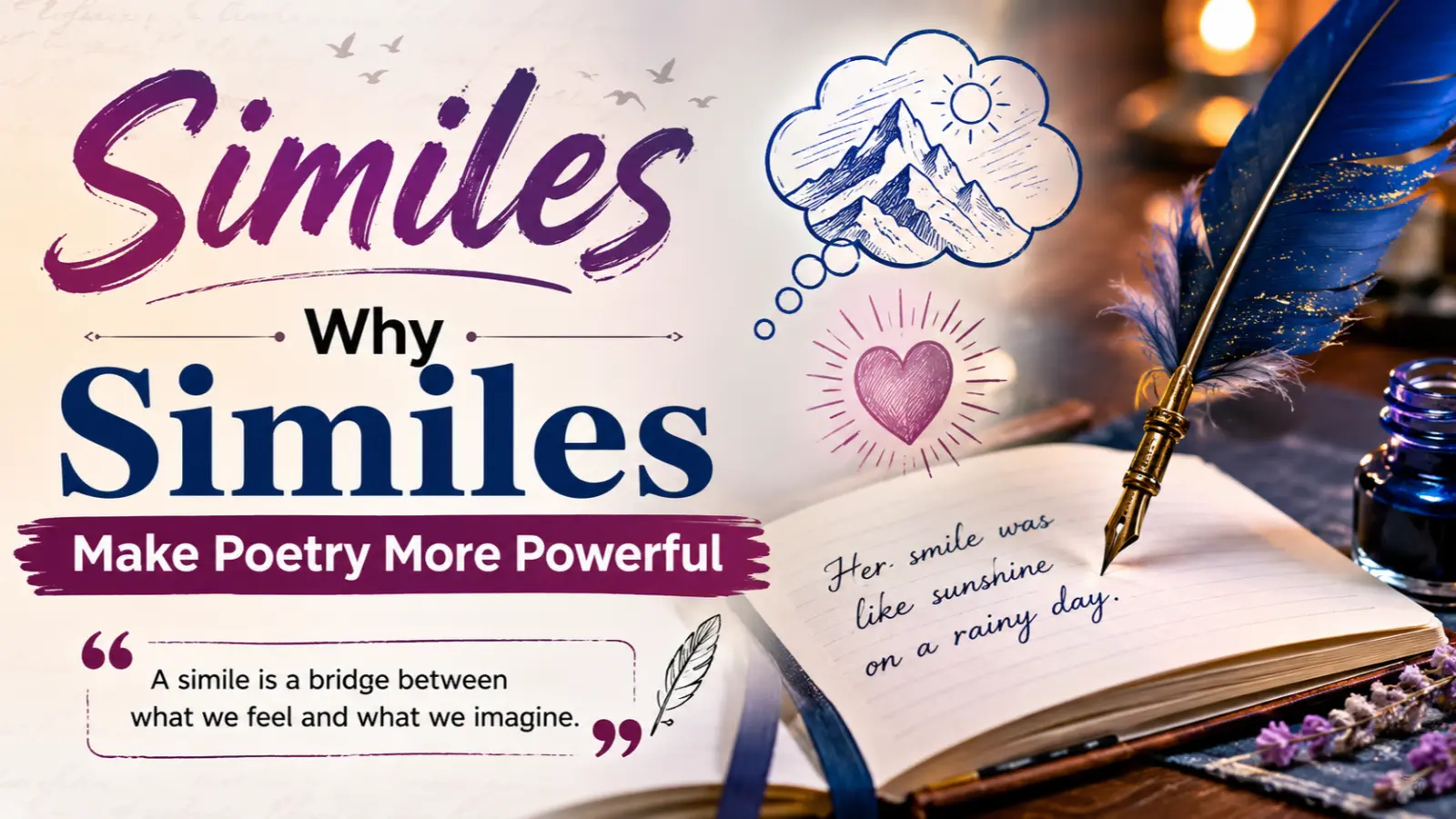
Poetry depends on emotion and imagination. Similes bridge the gap between the writer’s thoughts and the reader’s imagination.
A strong simile can:
- Turn simple descriptions into memorable images.
- Reveal a character’s feelings without directly stating them.
- Create mood and atmosphere.
- Add originality to familiar subjects.
- Help readers visualize abstract concepts.
The best similes don’t simply compare objects—they reveal a deeper connection.
30 Original Similes in Poetry
1. Hope Like the First Bird Before Sunrise
Meaning: Hope arrives quietly before change becomes visible.
Example Sentences
- Hope fluttered through her heart like the first bird before sunrise.
- His confidence returned like dawn greeting silent hills.
Poetry Example
Hope perched like the first bird before sunrise, singing to a sleeping world.
Writing Tip
Use this simile when introducing optimism after sadness.
2. Silence Like Snow Covering Footsteps
Meaning: Complete, peaceful quiet.
Examples
- The room became silent like snow covering footsteps.
- Her answer disappeared like snow softening every sound.
Best Context
Reflective poems and winter imagery.
3. Laughter Like Pebbles Skipping Across Water
Meaning: Light, joyful, playful laughter.
Poetry Example
Your laughter skipped like smooth pebbles dancing across a quiet lake.
4. Anger Like Lightning Trapped in Glass
Meaning: Powerful emotion held inside.
Writing Purpose
Perfect for poems about restraint or inner conflict.
5. Dreams Like Paper Boats on a Wide River
Meaning: Fragile ambitions facing uncertainty.
Conversation Example
“My dreams feel like paper boats drifting wherever the current goes.”
6. Memories Like Pressed Flowers Inside a Book
Meaning: Old memories carefully preserved.
Emotional Effect
Creates nostalgia and warmth.
7. Loneliness Like One Star Before Night Falls
Meaning: Feeling isolated yet noticeable.
Poetry Example
Loneliness waited like one star before evening welcomed the rest.
8. Kindness Like Rain on Dry Fields
Meaning: Kindness brings renewal.
Writing Tip
Excellent for poems about compassion.
9. Curiosity Like a Window Opening to Morning
Meaning: Discovering new possibilities.
Formal Example
Her curiosity spread like a window opening to the first light.
10. Fear Like Thin Ice Beneath Bare Feet
Meaning: Uncertain and dangerous.
Storytelling Example
He walked into the room like someone crossing thin ice.
11. Love Like Firelight in Winter
Meaning: Comfort during difficult times.
Emotional Effect
Warmth, safety, belonging.
12. Patience Like a River Carving Stone
Meaning: Quiet persistence eventually succeeds.
Writing Insight
Gentle images often express strength more effectively than violent ones.
13. Time Like Sand Escaping Open Hands
Meaning: Time cannot be controlled.
14. Joy Like Wind Filling Colorful Kites
Meaning: Freedom and excitement.
15. Regret Like Smoke Lingering After a Fire
Meaning: The event is over, but its effects remain.
16. Courage Like a Candle Facing the Wind
Meaning: Bravery despite hardship.
17. Tears Like Morning Dew on Roses
Meaning: Gentle sadness mixed with beauty.
18. Wisdom Like Old Trees Holding Seasons
Meaning: Experience gathered over time.
19. Friendship Like Bridges Across Rivers
Meaning: Friendship connects people through challenges.
20. Faith Like Roots Beneath a Forest
Meaning: Invisible strength supporting growth.
21. Doubt Like Fog Over Quiet Water
Meaning: Confusion hides clarity.
22. Inspiration Like Sparks from a Campfire
Meaning: Ideas spread quickly and unexpectedly.
23. Peace Like Clouds Drifting Without Hurry
Meaning: Calm and effortless stillness.
24. Grief Like an Empty Swing in Autumn
Meaning: A visible reminder of absence.
25. Confidence Like Mountains Greeting the Sky
Meaning: Quiet, lasting strength.
26. Wonder Like Lanterns Floating Across a Lake
Meaning: Magical curiosity.
27. Determination Like Ivy Climbing Stone Walls
Meaning: Steady progress despite obstacles.
28. Happiness Like Fresh Bread Filling a Home
Meaning: Comfort that reaches everyone nearby.
29. Imagination Like Paint Across a Blank Canvas
Meaning: Endless creative possibility.
30. Poetry Like Seeds Waiting for Rain
Meaning: Words bloom when readers bring their own emotions.
Poetry Example
Every poem rested like seeds waiting for rain, ready to bloom inside another heart.
How Great Poets Create Memorable Similes
Strong poetic similes rarely appear by accident.
Professional writers often:
Observe Small Details
Instead of comparing everything to stars or diamonds, notice everyday experiences.
For example:
- Steam rising from tea
- Cracked sidewalks after rain
- Leaves spinning in the wind
- A quiet library
- Shadows at sunset
Fresh observations create fresh similes.
Focus on Emotion First
Ask yourself:
What feeling am I trying to create?
The comparison should strengthen that emotion rather than simply decorate the sentence.
Compare Shared Qualities
Good similes compare things that genuinely share characteristics.
For example:
Instead of
Love is like a pencil.
Think about what connects them.
Perhaps:
Love is like handwriting—unique, imperfect, and unmistakably personal.
Related Literary Devices
Metaphor
A metaphor compares two things directly without using like or as.
Simile: Her voice was like velvet.
Metaphor: Her voice was velvet.
Imagery
Imagery appeals to the senses through descriptive language.
Similes often strengthen imagery by making descriptions more vivid.
Personification
Personification gives human qualities to non-human things.
Example:
The wind whispered through the trees.
Combined with similes, personification can create richer poetic scenes.
Hyperbole
Hyperbole uses deliberate exaggeration.
Example:
He ran as fast as the wind itself.
Use sparingly so your comparisons remain believable.
Symbolism
Symbols represent deeper meanings.
A simile may compare something to a symbolic object, such as light representing hope or water representing change.
How to Create Your Own Similes
Creating original similes becomes easier with practice.
Step 1: Choose Your Subject
Examples:
- Rain
- Fear
- Love
- Morning
- Childhood
Step 2: Identify Its Strongest Quality
Ask:
- Is it gentle?
- Loud?
- Fragile?
- Bright?
- Unpredictable?
Step 3: Find Something With the Same Quality
Think beyond obvious comparisons.
Instead of:
Happy like the sun.
Try:
Happy like windows opening after a long winter.
Step 4: Read It Aloud
Poetry should sound natural.
If the comparison feels forced, simplify it.
Creative Exercise
Write one simile for each prompt.
- A forgotten photograph
- Autumn leaves
- A childhood memory
- Ocean waves
- A lonely road
- Morning coffee
- Evening rain
- A birthday candle
Challenge yourself to avoid familiar comparisons.
Common Mistakes When Writing Similes
Using Overused Comparisons
Readers have seen many common similes countless times.
Try replacing predictable comparisons with observations from everyday life.
Mixing Images
Keep the comparison focused.
Poor example:
Her smile was like sunshine swimming through thunder.
The images clash rather than work together.
Confusing Similes and Metaphors
Remember:
- Similes use like or as.
- Metaphors compare directly.
Forcing Comparisons
Not every sentence needs a simile.
A few meaningful comparisons usually have greater impact than many weak ones.
Ignoring the Poem’s Mood
A playful simile may not fit a serious elegy, while a dark comparison could weaken a joyful poem. Always match your imagery to the emotional tone.
Frequently Asked Questions
What is a simile in poetry?
A simile compares two different things using like or as to create vivid imagery and deepen emotional meaning.
Why do poets use similes?
Poets use similes to help readers visualize ideas, strengthen emotions, and make language more memorable.
What makes a good poetic simile?
A good simile feels original, fits the poem’s mood, and highlights a meaningful similarity instead of an obvious one.
Can a poem have too many similes?
Yes. Too many comparisons can distract readers. Use similes where they add clarity or emotional impact.
What’s the difference between a simile and imagery?
Imagery describes sensory experiences, while a simile is one technique that can create imagery through comparison.
How can beginners write better similes?
Observe real life closely, focus on one clear quality, avoid clichés, and revise until the comparison feels natural.
Are similes only used in poetry?
No. Similes also appear in novels, speeches, songs, essays, and everyday conversations because they make ideas easier to picture.
Conclusion
Learning to use similes in poetry is about more than adding decorative language. Effective similes reveal emotion, sharpen imagery, and help readers connect with your words on a deeper level. By observing the world carefully, avoiding overused comparisons, and practicing with fresh ideas, you can create poetry that feels vivid, authentic, and memorable. Let your comparisons grow from genuine observation, and each new poem will develop a voice that is uniquely your own.
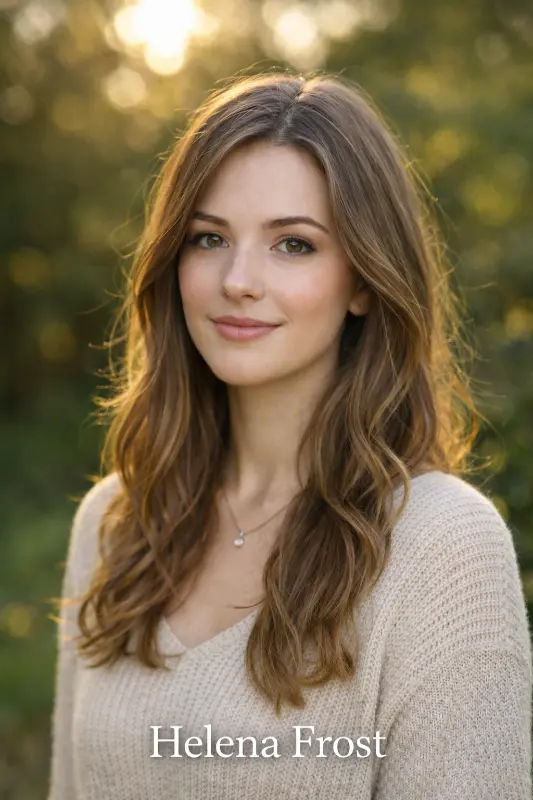
I am Helena Frost, a writer captivated by the beauty of language and the art of comparison. Through my words, I explore the world by turning ordinary moments into vivid similes and reflections. I enjoy crafting phrases that spark imagination, evoke emotion, and linger in the mind. My writing celebrates the subtle connections between people, nature, and the stories we live. For me, every sentence is an opportunity to reveal the extraordinary in the everyday.