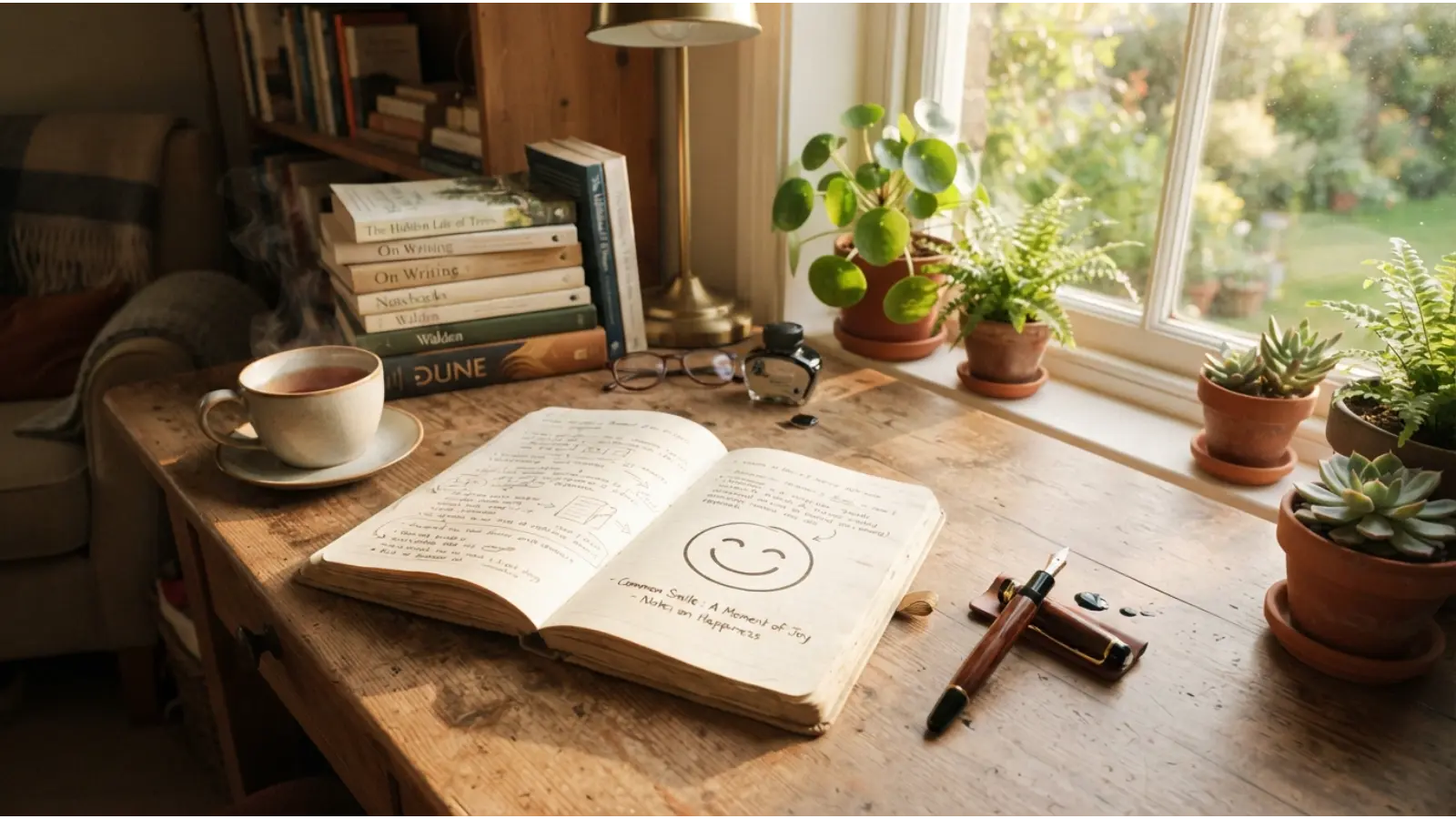
Similes are one of the simplest and most effective tools for making writing more colorful. Instead of describing something in plain words, a simile compares two different things using “like” or “as.” A well-crafted comparison helps readers picture a scene, understand an emotion, or remember an idea. You will find common similes in novels, poems, speeches, classrooms, conversations, and even everyday expressions. They make writing easier to visualize while adding rhythm and personality. This guide explains what common similes are, why they work, and how to use them effectively. Along the way, you’ll discover fresh examples, practical writing advice, and creative exercises to improve your own writing.
Quick Answer
Common similes are comparisons that use the words like or as to describe one thing by comparing it with another. They help readers imagine people, places, emotions, and actions more clearly. Effective similes are vivid, easy to understand, and fit naturally within the context of the writing.
Why Common Similes Matter
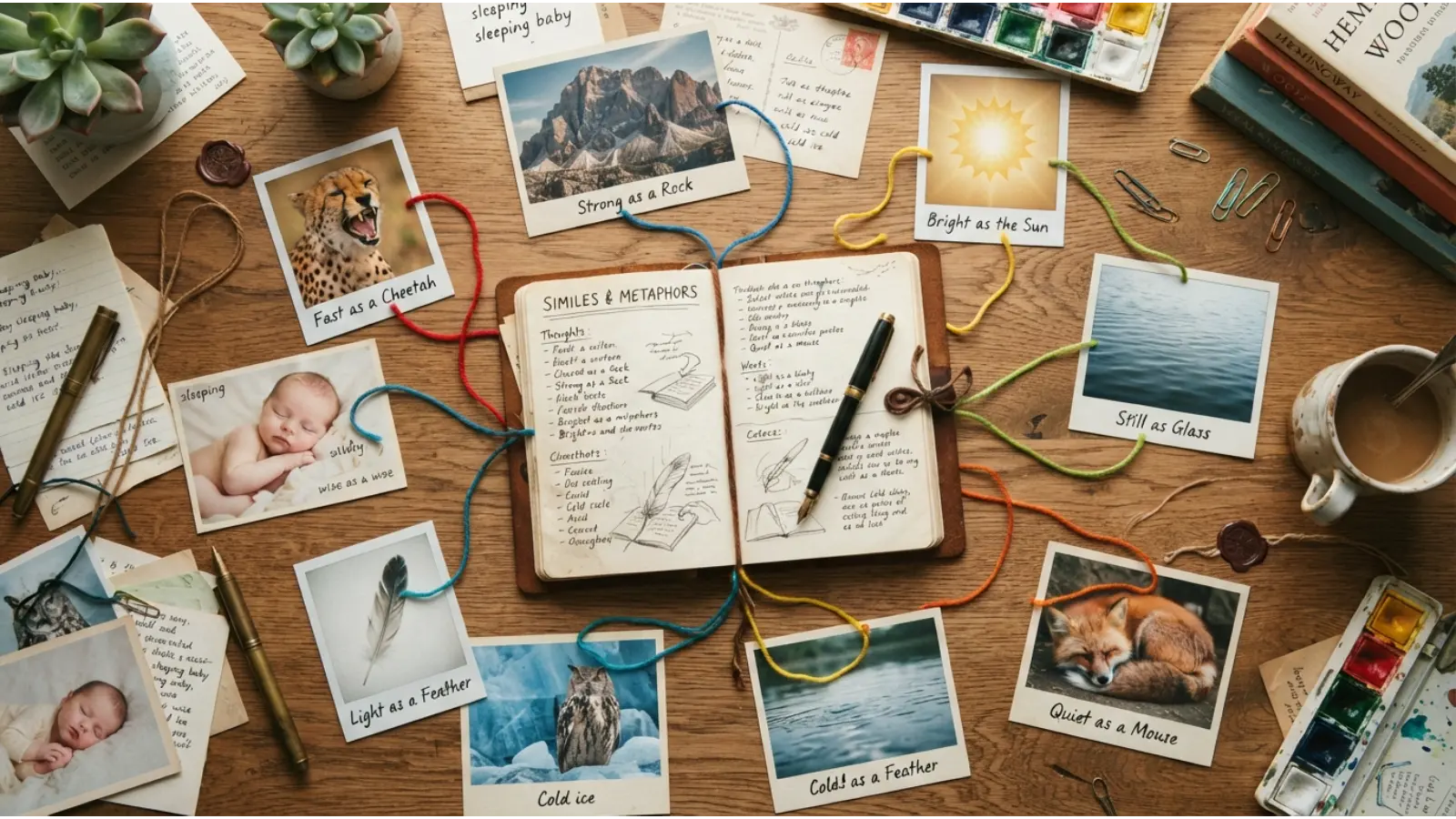
A good simile does more than decorate a sentence. It helps readers experience what the writer wants them to see or feel.
Common similes are useful because they:
- Make descriptions memorable
- Add emotion without lengthy explanations
- Improve storytelling
- Strengthen poetry
- Make conversations more expressive
- Help students write more creatively
The best similes feel effortless rather than forced.
40 Common Similes with Meanings and Examples
1. As calm as morning mist
Meaning: Peaceful and soothing.
Story Example:
Her voice was as calm as morning mist, easing everyone’s worries.
Conversation:
“You stayed relaxed the whole time.”
2. Like a lantern in the dark
Meaning: Someone who brings hope.
Writing Tip: Excellent for inspirational writing.
3. As steady as an old oak
Meaning: Reliable and dependable.
Formal Example:
His leadership remained as steady as an old oak during difficult times.
4. Like a river finding the sea
Meaning: Moving naturally toward a goal.
Poetry Example:
Her dreams flowed like a river finding the sea.
5. As bright as fresh snowfall
Meaning: Pure, cheerful, or brilliant.
6. Like sunlight through stained glass
Meaning: Beautiful in a unique way.
Story Example:
Her laughter spread like sunlight through stained glass.
7. As quiet as unopened letters
Meaning: Deep silence filled with mystery.
8. Like feathers on the wind
Meaning: Light and effortless movement.
9. As patient as growing trees
Meaning: Extremely patient.
Conversation:
“My grandmother is as patient as growing trees.”
10. Like stars reflected on water
Meaning: Gentle beauty.
11. As warm as fresh bread
Meaning: Kind and welcoming.
12. Like a compass in unfamiliar woods
Meaning: Helpful guidance.
13. As gentle as falling petals
Meaning: Soft and caring.
14. Like rain after months of drought
Meaning: Great relief.
15. As clear as mountain air
Meaning: Easy to understand.
16. Like pages turning themselves
Meaning: Time passing quickly.
17. As determined as climbing ivy
Meaning: Persistent despite obstacles.
18. Like echoes in an empty hall
Meaning: Lingering memories.
19. As cheerful as spring birds
Meaning: Full of happiness.
20. Like polished silver under moonlight
Meaning: Elegant and graceful.
21. As curious as a child discovering snow
Meaning: Wonder and excitement.
22. Like sails catching the first breeze
Meaning: A hopeful beginning.
23. As focused as an artist finishing a masterpiece
Meaning: Deep concentration.
24. Like fresh paint on a blank wall
Meaning: Full of possibilities.
25. As gentle as evening rain
Meaning: Calm and comforting.
26. Like footprints across untouched sand
Meaning: Leaving a lasting impression.
27. As hopeful as sunrise after a storm
Meaning: Optimistic after hardship.
28. Like music drifting through open windows
Meaning: Pleasant and inviting.
29. As dependable as the changing seasons
Meaning: Consistently reliable.
30. Like clouds opening for the moon
Meaning: Sudden clarity.
31. As graceful as drifting leaves
Meaning: Smooth and elegant movement.
32. Like a key fitting its lock
Meaning: A perfect match.
33. As fearless as waves meeting the shore
Meaning: Brave despite challenges.
34. Like fresh ink on clean paper
Meaning: New beginnings.
35. As thoughtful as handwritten notes
Meaning: Deeply considerate.
36. Like fireflies across a summer field
Meaning: Quiet magic.
37. As resilient as wildflowers between stones
Meaning: Strong despite difficulties.
38. Like dawn quietly replacing night
Meaning: Gentle transformation.
39. As refreshing as cool water after a long walk
Meaning: Comforting and revitalizing.
40. Like the first page of a favorite book
Meaning: Exciting with endless possibilities.
Why These Similes Work
Strong similes create pictures rather than simply adding decoration.
Instead of saying:
“She was happy.”
You might write:
“She smiled like dawn quietly replacing night.”
The second sentence gives readers an emotional image rather than merely stating a fact.
Good similes invite readers to imagine instead of simply understand.
How Professional Writers Create Memorable Similes
Experienced writers usually begin with an emotion rather than an object.
Ask yourself:
- What does this feeling resemble?
- What would readers immediately recognize?
- Which comparison creates the strongest image?
Unexpected but believable comparisons often leave the greatest impression.
Instead of comparing happiness to sunshine every time, compare it to something more specific:
“Her excitement spread like birds lifting from a quiet field.”
Specific details create stronger imagery.
Related Literary Devices
Metaphor
A metaphor makes a direct comparison without using like or as.
Simile: Her smile was like sunrise.
Metaphor: Her smile was sunrise.
Imagery
Imagery appeals to the senses through descriptive language. Similes often strengthen imagery by giving readers familiar comparisons.
Personification
Personification gives human qualities to non-human things.
Example:
“The wind whispered.”
A simile can work alongside personification to make descriptions even richer.
Hyperbole
Hyperbole exaggerates for effect.
Similes can include exaggeration, but they should still feel believable within the context.
Symbolism
Some similes compare ideas using symbolic objects such as bridges, rivers, stars, or seasons to add deeper meaning.
How to Create Your Own Similes
Writing original similes becomes easier with practice.
Step 1: Choose a subject
Example:
A teacher
Step 2: Decide the strongest quality
Patient
Step 3: Think of something that naturally shares that quality
Growing trees
Step 4: Build the comparison
“The teacher was as patient as growing trees.”
Now personalize it further by matching the setting and mood.
Creative Exercises
Exercise 1
Describe a rainy day using three original similes.
Exercise 2
Write one simile for each emotion:
- Joy
- Fear
- Hope
- Anger
- Curiosity
Exercise 3
Look around your room.
Choose five objects and create fresh similes inspired by them.
Common Mistakes to Avoid
Using Overused Comparisons
Readers have seen many traditional comparisons countless times. Try creating more specific images instead.
Mixing Images
Avoid combining unrelated comparisons.
Confusing:
“She floated like a feather while roaring like thunder.”
Choose one clear image unless both serve a deliberate purpose.
Forcing Similes
Every comparison should fit naturally.
If readers stop to figure out the comparison, it may need revision.
Confusing Similes with Metaphors
Remember:
- Similes use like or as.
- Metaphors do not.
Choosing Weak Descriptions
The comparison should add something new.
If it doesn’t strengthen the image, remove it.
Frequently Asked Questions
What is a common simile?
A common simile compares two different things using like or as to create a clear mental image.
Why do writers use similes?
They make descriptions more vivid, emotional, and memorable while helping readers visualize ideas.
Can similes be used in essays?
Yes. When used carefully, similes make essays more engaging without reducing clarity.
What’s the difference between a simile and a metaphor?
A simile uses like or as, while a metaphor states that one thing is another.
Should children learn similes?
Absolutely. Similes encourage creativity, improve vocabulary, and strengthen descriptive writing skills.
How many similes should I use in one story?
Use only as many as improve the writing. A few well-placed similes are usually more effective than many repetitive ones.
Can a simile be funny?
Yes. Humorous comparisons can make dialogue and storytelling more entertaining when they fit the character or situation.
Conclusion
Common similes transform ordinary writing into memorable descriptions. The strongest comparisons feel natural, match the tone of the piece, and help readers see familiar ideas in fresh ways. Rather than relying on overused expressions, challenge yourself to notice everyday moments and compare them creatively. With regular practice, you’ll develop a style that is vivid, original, and uniquely your own.

I am Helena Frost, a writer captivated by the beauty of language and the art of comparison. Through my words, I explore the world by turning ordinary moments into vivid similes and reflections. I enjoy crafting phrases that spark imagination, evoke emotion, and linger in the mind. My writing celebrates the subtle connections between people, nature, and the stories we live. For me, every sentence is an opportunity to reveal the extraordinary in the everyday.