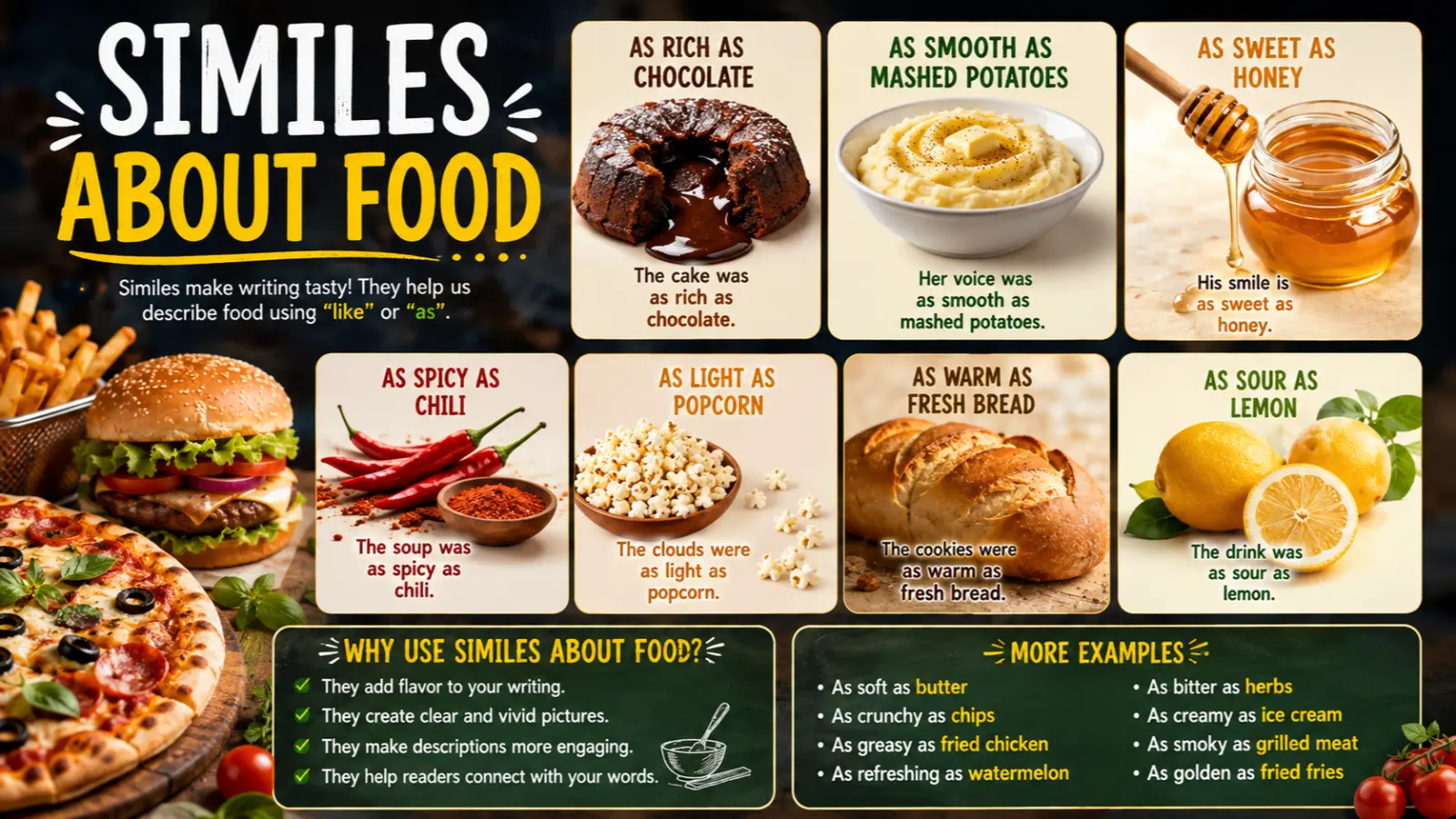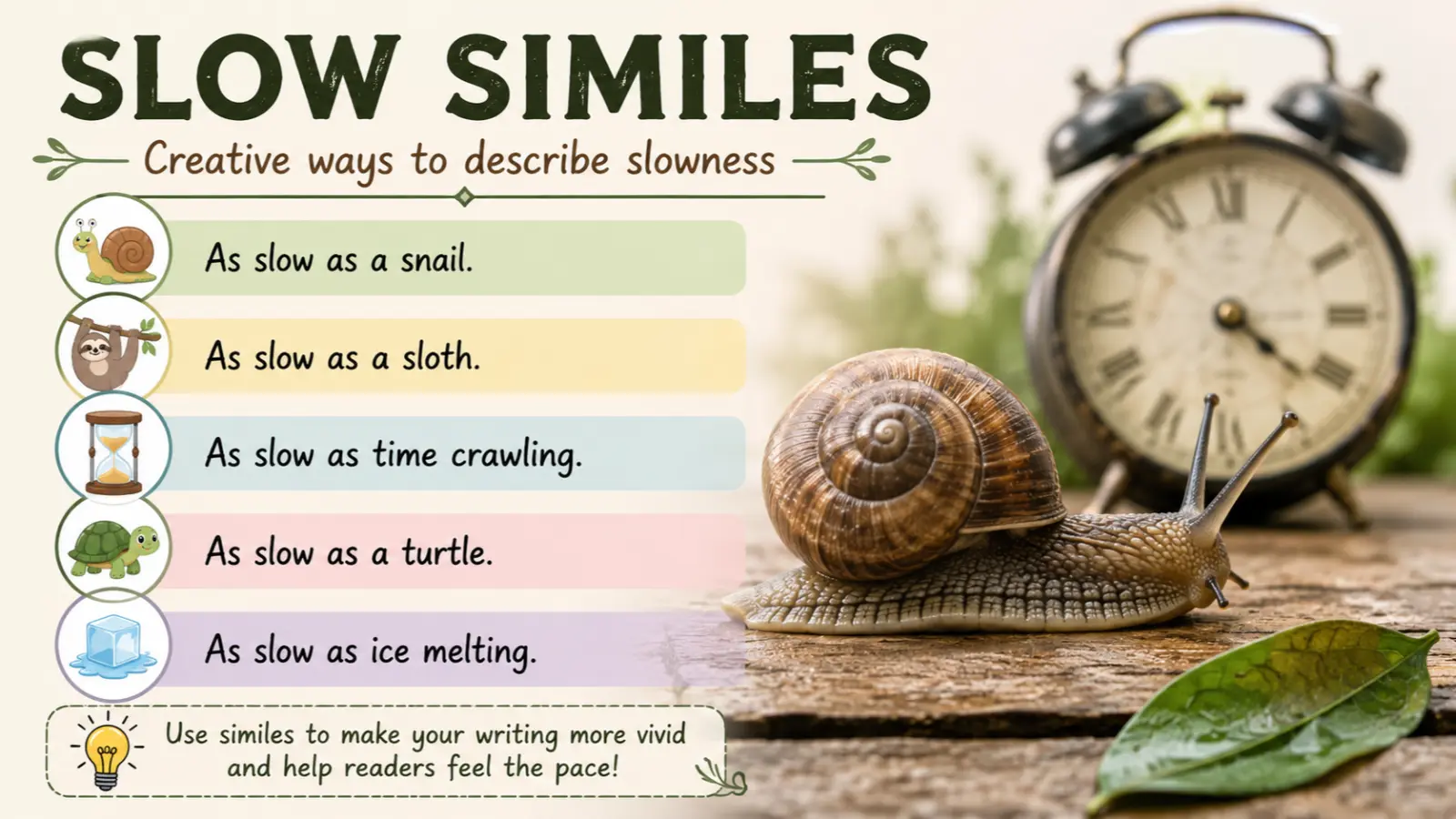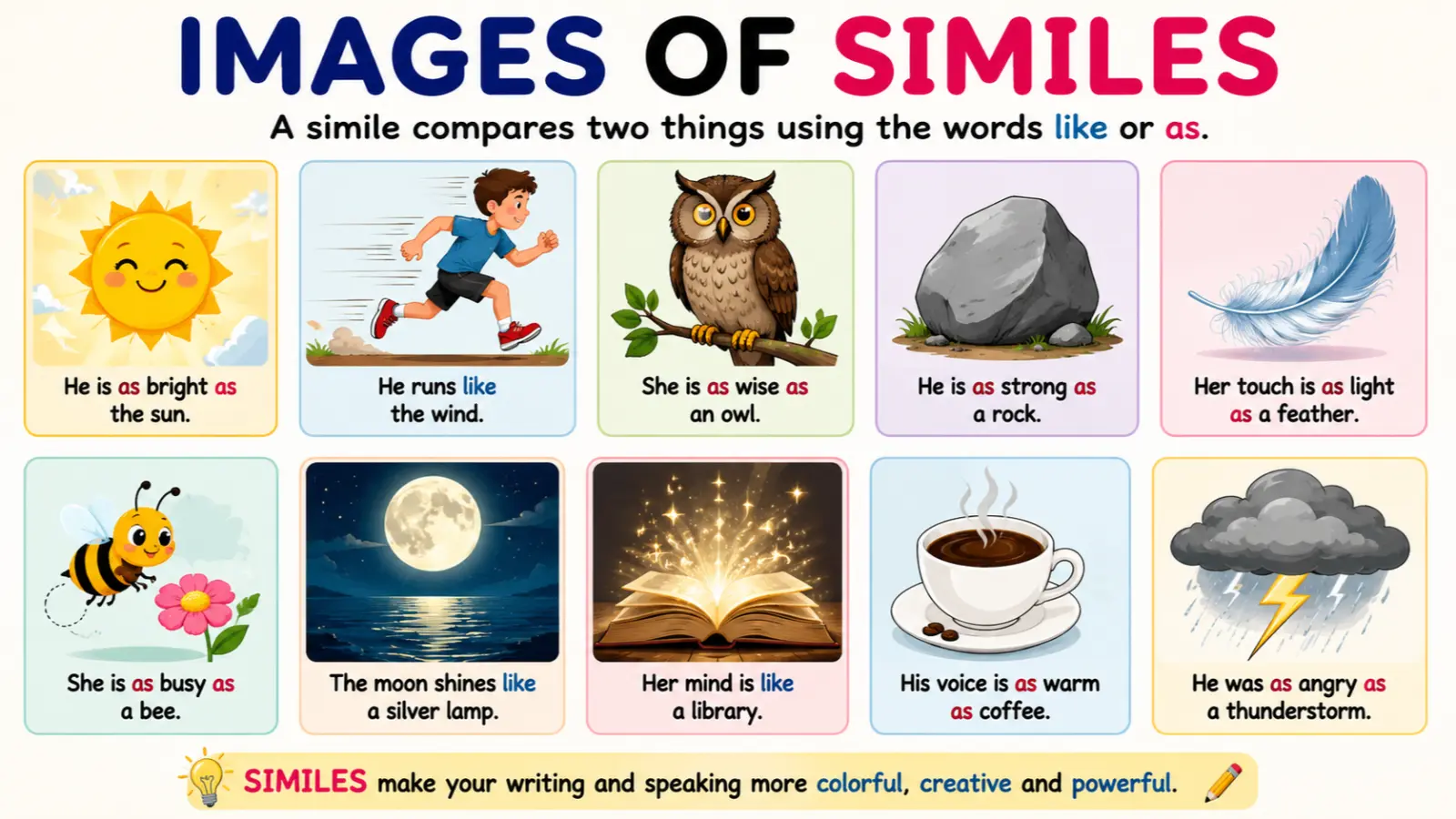
A Images of Similes is a comparison that uses words such as like or as to help readers picture something more clearly. Good similes do more than compare two things. They create mental images that make writing feel vivid, emotional, and memorable. When people search for images of similes, they are often looking for visual examples that help them understand how similes work. Writers, students, teachers, poets, and storytellers all use similes to turn ordinary descriptions into scenes readers can actually imagine. This guide explores the visual side of similes, explains how imagery works, and provides original examples you can adapt for your own writing.
Quick Answer
Images of similes are comparisons that create strong mental pictures in a reader’s mind. A simile uses words like like or as to compare two different things, helping readers visualize emotions, people, objects, settings, or actions more clearly. For example, “The moon hung like a silver lantern above the hills” creates a vivid image that is easy to picture.
Why Visual Similes Are So Powerful
The human brain remembers pictures more easily than abstract descriptions.
Compare these two sentences:
The garden was beautiful.
Now compare it with:
The garden spread across the yard like a quilt stitched from flowers.
The second sentence gives the reader something to see. It transforms a simple statement into a visual experience.
Strong similes help readers:
- Picture scenes clearly
- Feel emotions more deeply
- Remember descriptions longer
- Connect with characters and settings
What Makes a Simile Create a Strong Image?
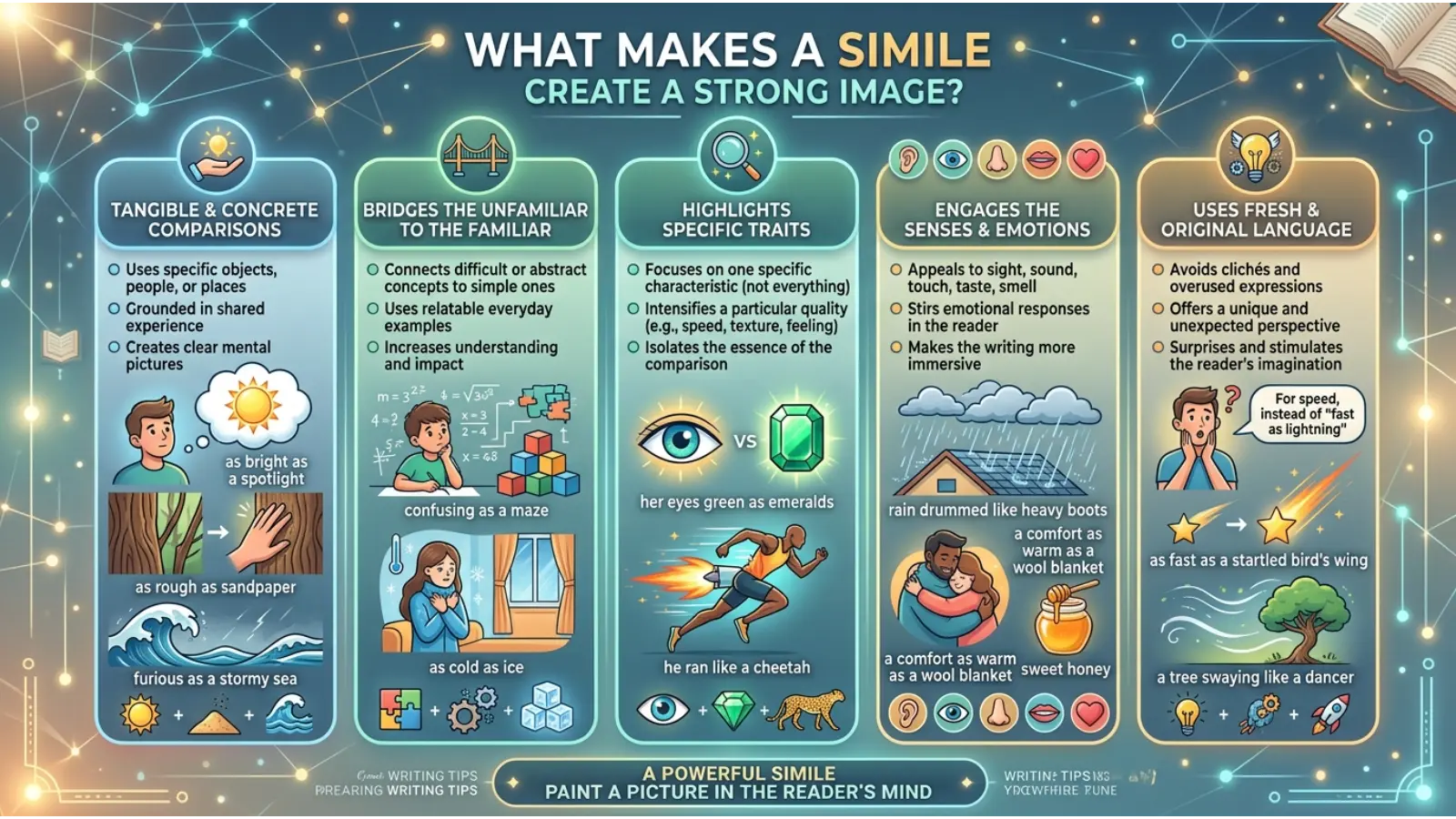
Not every comparison creates vivid imagery.
The best visual similes usually share three qualities:
They Compare Specific Things
Specific details create clearer pictures.
Weak:
Bright as a light.
Stronger:
Bright as sunlight bouncing off fresh snow.
They Appeal to the Senses
Readers enjoy descriptions they can see, hear, feel, smell, or imagine.
Example:
The waterfall spilled down the cliff like strands of glass beads.
They Feel Fresh
Unexpected comparisons capture attention.
Instead of:
Busy as a bee.
Try:
Busy as a station clock during the morning rush.
Original Images of Similes With Examples
1. The clouds drifted like torn pages from a forgotten book.
Meaning: Slow-moving, scattered clouds.
Example Sentences
- The clouds drifted like torn pages from a forgotten book across the evening sky.
- Above the valley, they floated like loose sheets escaping the wind.
Writing Tip: Use this when describing peaceful landscapes.
2. Her smile opened like sunlight through a curtain.
Meaning: Warm and welcoming.
Conversation Example
- Her smile opened like sunlight through a curtain when she heard the news.
Emotional Effect: Comfort and positivity.
3. The city lights glittered like spilled diamonds.
Meaning: Bright and sparkling.
Storytelling Example
- From the hilltop, the city lights glittered like spilled diamonds across the darkness.
4. The river curved like a silver ribbon.
Meaning: Smooth and graceful movement.
Best Context: Nature writing and travel descriptions.
5. His thoughts scattered like birds startled from a tree.
Meaning: Sudden confusion or distraction.
Poetry Example
- My thoughts scattered like birds startled from a tree at the sound of your name.
6. The snow covered the fields like folded silk.
Meaning: Smooth, soft appearance.
7. The lighthouse stood like a watchful giant.
Meaning: Protective presence.
Formal Example
- The lighthouse stood like a watchful giant guarding the coastline.
8. The stars shimmered like tiny mirrors.
Meaning: Reflective sparkle in the night sky.
9. Her voice floated like smoke through the room.
Meaning: Soft and gentle sound.
10. The forest stretched like a green ocean.
Meaning: Vast natural landscape.
11. The path wound through the hills like a loose thread.
Meaning: Thin, twisting route.
12. The moon rested above the mountains like a glowing coin.
Meaning: Bright circular appearance.
13. The raindrops sparkled like crystals on glass.
Meaning: Clear, shining rain.
14. The old castle rose like a shadow carved from stone.
Meaning: Dark and dramatic structure.
15. The wheat field swayed like golden waves.
Meaning: Gentle movement across a large area.
16. The lake reflected the sky like polished steel.
Meaning: Smooth reflective surface.
17. The leaves danced like tiny green dancers.
Meaning: Light movement in the wind.
18. The sunset spread across the horizon like watercolor paint.
Meaning: Soft blending colors.
19. The mountain peaks pierced the clouds like sharpened pencils.
Meaning: Tall pointed shapes.
20. The lantern glowed like an amber star.
Meaning: Warm golden light.
21. The road stretched ahead like a charcoal line.
Meaning: Long narrow distance.
22. The garden bloomed like a painter’s palette.
Meaning: Rich variety of colors.
23. The waterfall sparkled like strings of glass beads.
Meaning: Bright flowing water.
24. The mist rolled across the valley like a silent blanket.
Meaning: Soft covering effect.
25. The canyon opened like a giant cracked shell.
Meaning: Dramatic natural formation.
26. The fireflies blinked like tiny lanterns.
Meaning: Small glowing lights.
27. The shoreline curved like a crescent brushstroke.
Meaning: Artistic shape.
28. The morning frost glittered like scattered stars.
Meaning: Sparkling icy surface.
29. The desert stretched like a golden canvas.
Meaning: Wide open landscape.
30. The lighthouse beam swept the sea like a searching finger.
Meaning: Repeated directional movement.
How Professional Writers Create Visual Similes
Experienced writers often begin with observation.
Instead of asking:
“What can I compare this to?”
They ask:
“What does this remind me of?”
Notice shapes, textures, colors, and movement.
For example:
- A winding road may resemble a ribbon.
- A crowded beach may resemble a mosaic.
- A storm cloud may resemble ink spreading in water.
The more closely you observe the world, the stronger your similes become.
Related Literary Devices That Strengthen Imagery
Metaphor
A metaphor makes a direct comparison without using like or as.
Simile:
The clouds were like torn pages.
Metaphor:
The clouds were torn pages drifting across the sky.
Imagery
Imagery uses sensory language to create experiences readers can picture.
Similes often support imagery by making descriptions more concrete.
Personification
Personification gives human qualities to nonhuman things.
Example:
The wind whispered through the trees.
Combining personification and similes can create especially vivid scenes.
Symbolism
Sometimes a visual image carries deeper meaning.
A lighthouse may symbolize hope.
A river may symbolize change.
A simile can strengthen those symbolic ideas.
How to Create Your Own Visual Similes
Step 1: Choose the Image
Look carefully at what you are describing.
Example:
A snowy field.
Step 2: Identify a Visual Feature
What stands out?
- Color
- Shape
- Texture
- Movement
Example:
Smooth white surface.
Step 3: Find a Similar Object
What looks similar?
Folded silk.
Step 4: Build the Simile
The snow covered the field like folded silk.
Creative Exercise
Pick five everyday objects:
- Coffee cup
- Tree
- Bicycle
- Window
- Backpack
Write one visual simile for each.
Focus only on what readers can see.
This practice trains your imagination and observation skills.
Common Mistakes Writers Make
Using Overused Comparisons
Readers have seen some comparisons thousands of times.
Examples:
- Busy as a bee
- White as snow
- Light as a feather
Fresh imagery often feels more memorable.
Mixing Visual Images
Avoid combining unrelated pictures.
Confusing:
The river flowed like silk while roaring like thunder beneath a blanket of stars.
Too many competing images weaken clarity.
Forcing Comparisons
A simile should feel natural.
If readers must stop to figure out the comparison, it may need revision.
Confusing Metaphors and Similes
Remember:
- Similes use like or as
- Metaphors make direct comparisons
Choosing Weak Visual Details
General descriptions create weaker imagery.
Specific details create stronger images.
Frequently Asked Questions
What are images of similes?
They are similes that create strong mental pictures, helping readers visualize a scene, object, person, or emotion.
Why are visual similes important in writing?
They make descriptions clearer, more memorable, and more engaging for readers.
Can similes be used in academic writing?
Yes. Similes can clarify ideas when used carefully, though they are more common in creative writing.
What is the difference between imagery and a simile?
Imagery is sensory description. A simile is a specific type of comparison that often helps create imagery.
How can students learn similes faster?
Reading examples, practicing observations, and writing daily comparisons can build skill quickly.
Are similes useful in poetry?
Absolutely. Many poets rely on similes to create emotion, rhythm, and vivid visual scenes.
How do I avoid cliché similes?
Look for unique details from real-life observation rather than repeating familiar comparisons.
Conclusion
The best images of similes do not simply compare two things—they help readers see the world differently. A strong visual simile turns a plain description into a memorable picture, whether you are writing a story, poem, article, or classroom assignment. The next time you write, pause and observe the shapes, colors, textures, and movements around you. Those small observations often become the foundation of your most powerful similes. With practice, you’ll create comparisons that feel fresh, vivid, and uniquely your own.
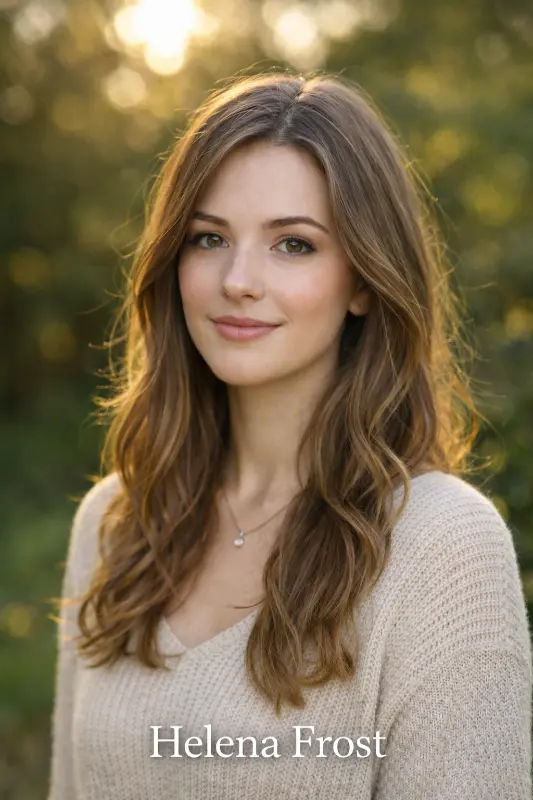
I am Helena Frost, a writer captivated by the beauty of language and the art of comparison. Through my words, I explore the world by turning ordinary moments into vivid similes and reflections. I enjoy crafting phrases that spark imagination, evoke emotion, and linger in the mind. My writing celebrates the subtle connections between people, nature, and the stories we live. For me, every sentence is an opportunity to reveal the extraordinary in the everyday.