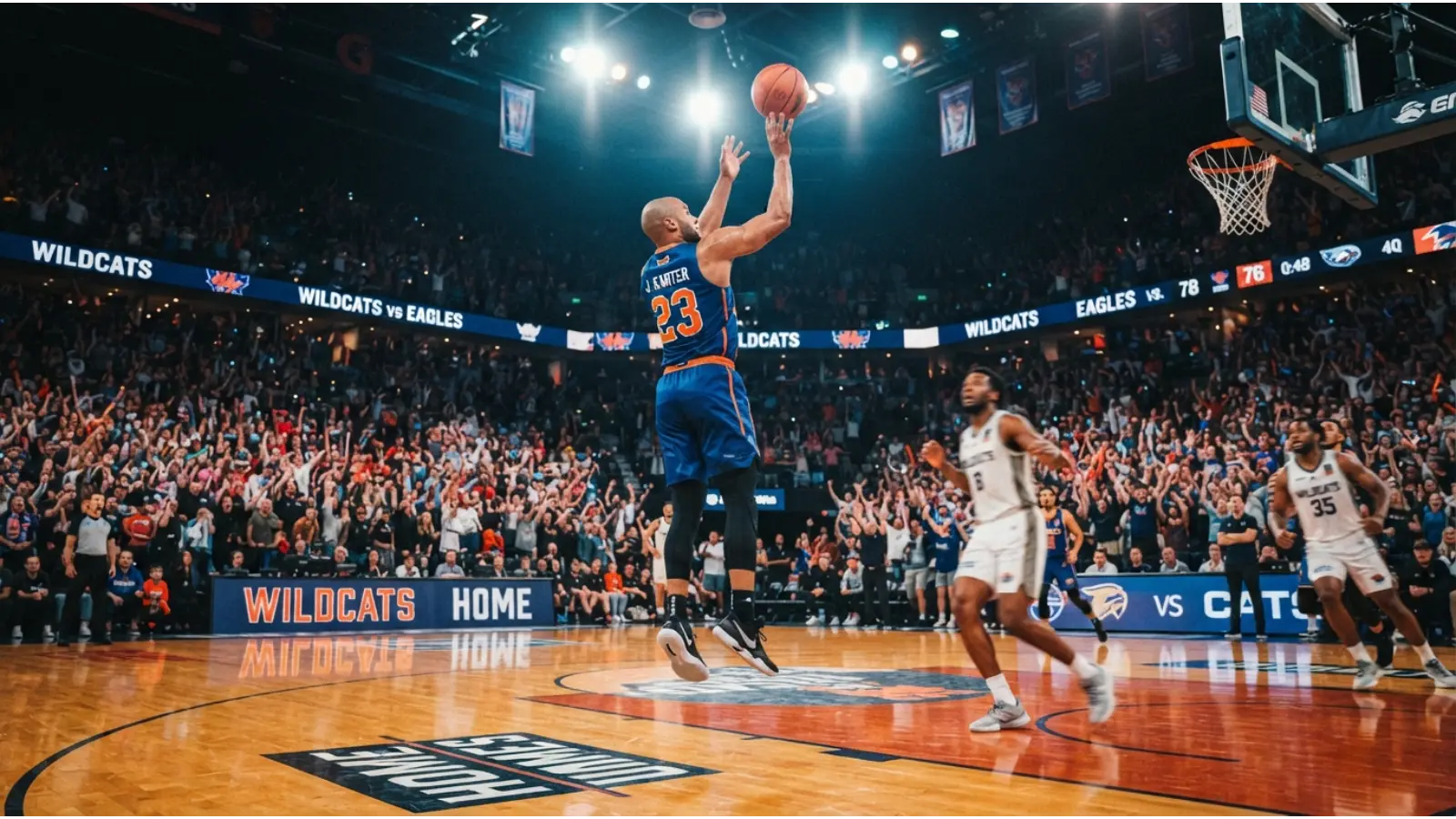
Basketball is more than a sport—it is a game of speed, rhythm, teamwork, and emotion. Whether you’re writing a sports article, a school essay, a short story, or a poem, strong similes can help readers picture every pass, shot, and celebration. A simile compares two different things using the words “like” or “as.” It creates vivid imagery that makes writing more memorable and engaging. In this guide, you’ll discover original similes about basketball, learn why they work, and find practical tips to create your own creative comparisons.
Quick Answer
Similes about basketball compare basketball actions, players, or emotions to familiar experiences using “like” or “as.” They help readers visualize movement, teamwork, confidence, pressure, and excitement. For example, “The point guard moved like water finding every opening.”
Why Use Similes in Basketball Writing?

Basketball is filled with fast action and emotion. Similes help readers imagine:
- Quick movement
- Accurate shooting
- Strong defense
- Team chemistry
- Determination
- Game-winning moments
- Crowd excitement
Instead of saying someone played well, a simile paints a clearer picture.
Compare these:
Plain:
The player was fast.
With a simile:
The player sprinted like lightning racing across the sky.
The second sentence instantly creates stronger imagery.
Original Similes About Basketball
1. He dribbled like water flowing around rocks.
Meaning: Smooth control under pressure.
Story example:
He dribbled like water flowing around rocks, leaving every defender behind.
Best for: Ball handling.
2. The ball flew like a shooting star.
Meaning: Fast and beautiful shot.
Conversation:
That three-pointer flew like a shooting star.
3. She defended like a locked gate.
Meaning: Extremely difficult to get past.
Writing Tip: Perfect for describing elite defense.
4. The team moved like a flock of birds changing direction together.
Meaning: Excellent teamwork.
5. His confidence grew like the morning sun.
Meaning: Confidence increased steadily.
6. The crowd erupted like fireworks on a summer night.
Meaning: Loud celebration.
7. The pass slipped through defenders like a thread through a needle.
Meaning: Perfectly accurate passing.
8. She jumped like a dolphin breaking the ocean’s surface.
Meaning: Graceful leap.
9. The defense closed in like storm clouds.
Meaning: Pressure built quickly.
10. His focus was as steady as a lighthouse.
Meaning: Strong concentration.
11. The ball bounced like a lively heartbeat.
Meaning: Energetic rhythm.
12. The rookie learned like a sponge soaking up rain.
Meaning: Quick learner.
13. Their teamwork fit together like puzzle pieces.
Meaning: Excellent coordination.
14. He chased the loose ball like a hawk diving for prey.
Meaning: Determined effort.
15. The coach remained as calm as a quiet lake.
Meaning: Calm under pressure.
16. Her crossover was like a magician’s disappearing trick.
Meaning: Unexpected movement.
17. The buzzer sounded like thunder ending a storm.
Meaning: Dramatic ending.
18. His determination burned like a campfire in winter.
Meaning: Strong inner motivation.
19. The defense spread like tree roots underground.
Meaning: Covered every area.
20. The rebound landed like a gift from the sky.
Meaning: Lucky opportunity.
21. Their offense flowed like a river after spring rain.
Meaning: Smooth offensive play.
22. The point guard thought like a chess master.
Meaning: Strategic decision-making.
23. The basketball spun like a tiny planet.
Meaning: Beautiful rotation.
24. His energy spread like sunlight through windows.
Meaning: Positive influence.
25. The championship felt like reaching the top of a mountain.
Meaning: Great achievement.
26. The defender clung like a shadow.
Meaning: Stayed very close.
27. Her smile after the winning shot shined like a full moon.
Meaning: Pure happiness.
28. The game changed like the turning of the tide.
Meaning: Momentum shifted.
29. His leadership spread like a steady drumbeat.
Meaning: Inspired the team.
30. Every pass connected like links in a strong chain.
Meaning: Reliable teamwork.
31. The arena buzzed like a busy beehive.
Meaning: Full of excitement.
32. His determination stood like an ancient oak.
Meaning: Unshakable resolve.
33. The winning streak rolled forward like a train gathering speed.
Meaning: Growing momentum.
34. She celebrated like a child discovering treasure.
Meaning: Genuine joy.
35. The final shot dropped like a leaf settling softly on the ground.
Meaning: Perfectly gentle finish.
Why These Similes Work
Strong similes do more than decorate writing. They connect unfamiliar moments with familiar experiences.
Notice how each comparison focuses on one clear quality:
- Water = smooth movement
- Lighthouse = focus
- Puzzle pieces = teamwork
- Storm clouds = pressure
- Shooting star = speed and beauty
Readers immediately understand the image without needing lengthy explanations.
How Professional Writers Create Better Similes
Good writers rarely choose the first comparison that comes to mind.
Instead they ask:
- What feeling am I describing?
- What everyday object has that same quality?
- Will readers instantly understand it?
- Does the comparison fit the tone?
The most memorable similes often come from ordinary experiences rather than unusual ones.
How to Create Your Own Basketball Similes
Follow this simple process.
Step 1: Choose one action.
Examples:
- Dribbling
- Passing
- Shooting
- Defending
- Celebrating
Step 2: Pick one quality.
Examples:
- Fast
- Smooth
- Powerful
- Calm
- Precise
Step 3: Compare it with something familiar.
Examples:
- River
- Eagle
- Clock
- Wind
- Mirror
- Lantern
Step 4: Keep the comparison simple.
Instead of adding many ideas, focus on one image.
Good:
She defended like a shadow.
Less effective:
She defended like a shadow, a mountain, and a hurricane.
Practice Exercise
Complete these similes with your own ideas.
- The basketball bounced like __________.
- The defender stood like __________.
- The crowd cheered like __________.
- The pass traveled like __________.
- The team celebrated like __________.
Try writing five different answers. The more you practice, the more original your writing becomes.
Related Literary Devices
Metaphor
A metaphor makes a direct comparison.
Metaphor:
The court was a battlefield.
Simile:
The court was like a battlefield.
Imagery
Imagery appeals to the senses.
Example:
The ball swished through the net like silk sliding across glass.
Hyperbole
Hyperbole uses exaggeration.
Example:
The crowd roared loud enough to shake the city.
Personification
Personification gives human qualities to non-human things.
Example:
The basketball danced across the hardwood.
Common Mistakes to Avoid
Using Overused Comparisons
Readers have seen comparisons like “fast as lightning” countless times. Try creating fresh images from everyday life.
Mixing Images
Avoid combining unrelated comparisons.
Weak:
He moved like lightning and floated like a feather while roaring like a lion.
Choose one clear comparison instead.
Making Similes Too Long
The strongest similes are usually short and easy to picture.
Confusing Metaphors and Similes
Remember:
- Similes use like or as.
- Metaphors do not.
Forcing a Comparison
Every comparison should feel natural. If readers have to stop and decode it, simplify it.
Frequently Asked Questions
What is a simile about basketball?
A basketball simile compares a player, action, or emotion to something else using “like” or “as” to create vivid imagery.
Why are similes useful in sports writing?
They help readers visualize speed, teamwork, emotion, movement, and competition more clearly.
Can students use basketball similes in school essays?
Yes. Original similes make descriptive and narrative writing more engaging while showing creative thinking.
What’s the difference between a basketball metaphor and a basketball simile?
A simile uses “like” or “as.” A metaphor makes a direct comparison without those words.
How many similes should I use in one paragraph?
Use them sparingly. One or two strong similes often create a bigger impact than several weak ones.
Can I invent my own similes?
Absolutely. Original similes often make writing more memorable than common expressions.
Conclusion
Great basketball writing captures more than scores and statistics. It lets readers feel the speed of a fast break, the tension of a close game, and the joy of a winning shot. Original similes transform ordinary descriptions into memorable scenes by connecting action with familiar images. As you write, focus on one quality at a time, choose comparisons your readers can easily picture, and don’t be afraid to experiment. With practice, you’ll develop a style that feels fresh, natural, and uniquely your own.

I am Helena Frost, a writer captivated by the beauty of language and the art of comparison. Through my words, I explore the world by turning ordinary moments into vivid similes and reflections. I enjoy crafting phrases that spark imagination, evoke emotion, and linger in the mind. My writing celebrates the subtle connections between people, nature, and the stories we live. For me, every sentence is an opportunity to reveal the extraordinary in the everyday.