Homeric Similes Examples: Powerful Comparisons in Epic Poetry
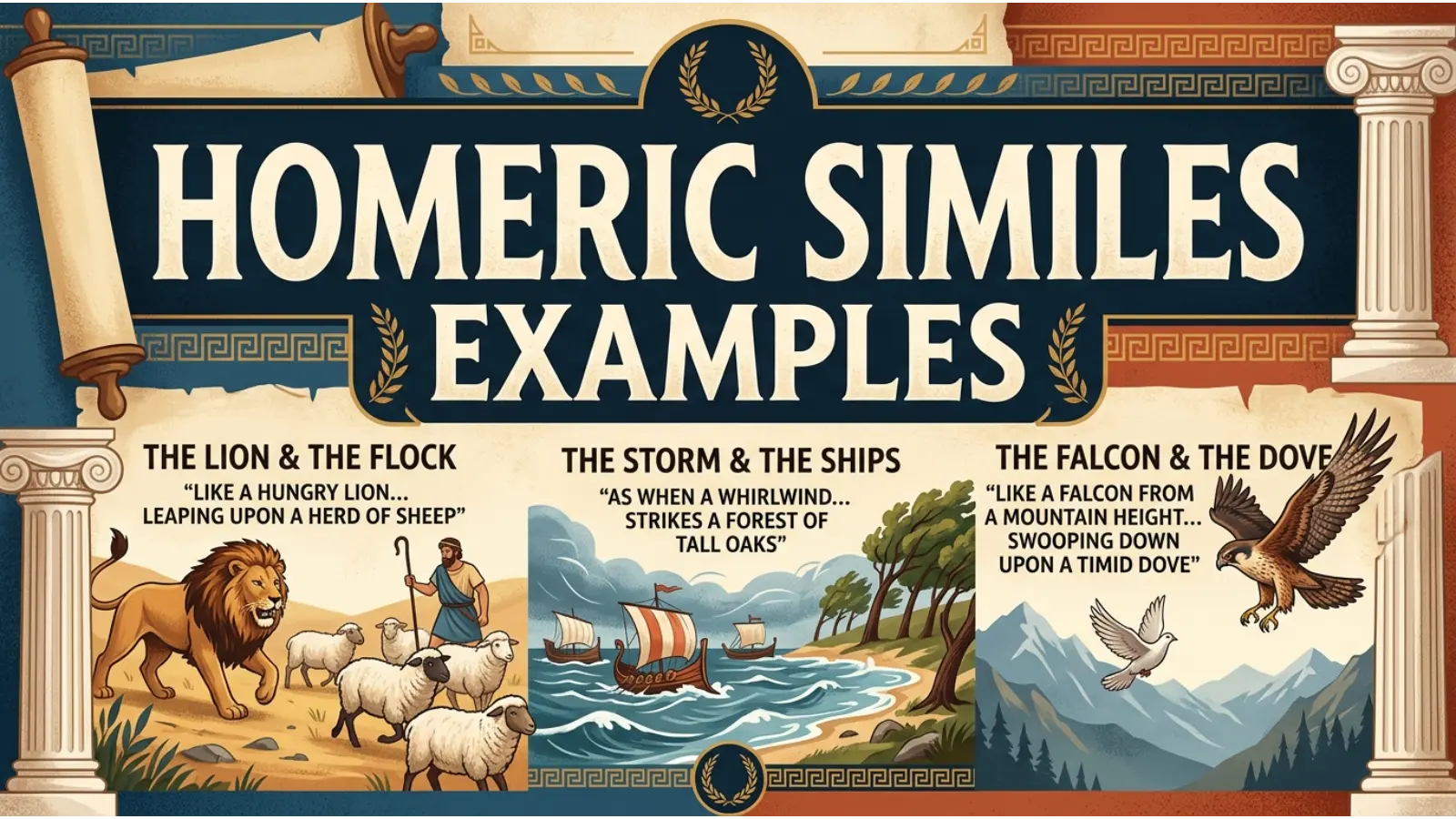
A Homeric Similes Examples is an extended comparison that explains a person, action, emotion, or scene by comparing it with something familiar from everyday life or nature. These comparisons are especially associated with Homer’s Iliad and Odyssey, where a brief battlefield action can suddenly expand into an image of ...
Read more
Anxious Similes: to Make Your Writing More Expressive
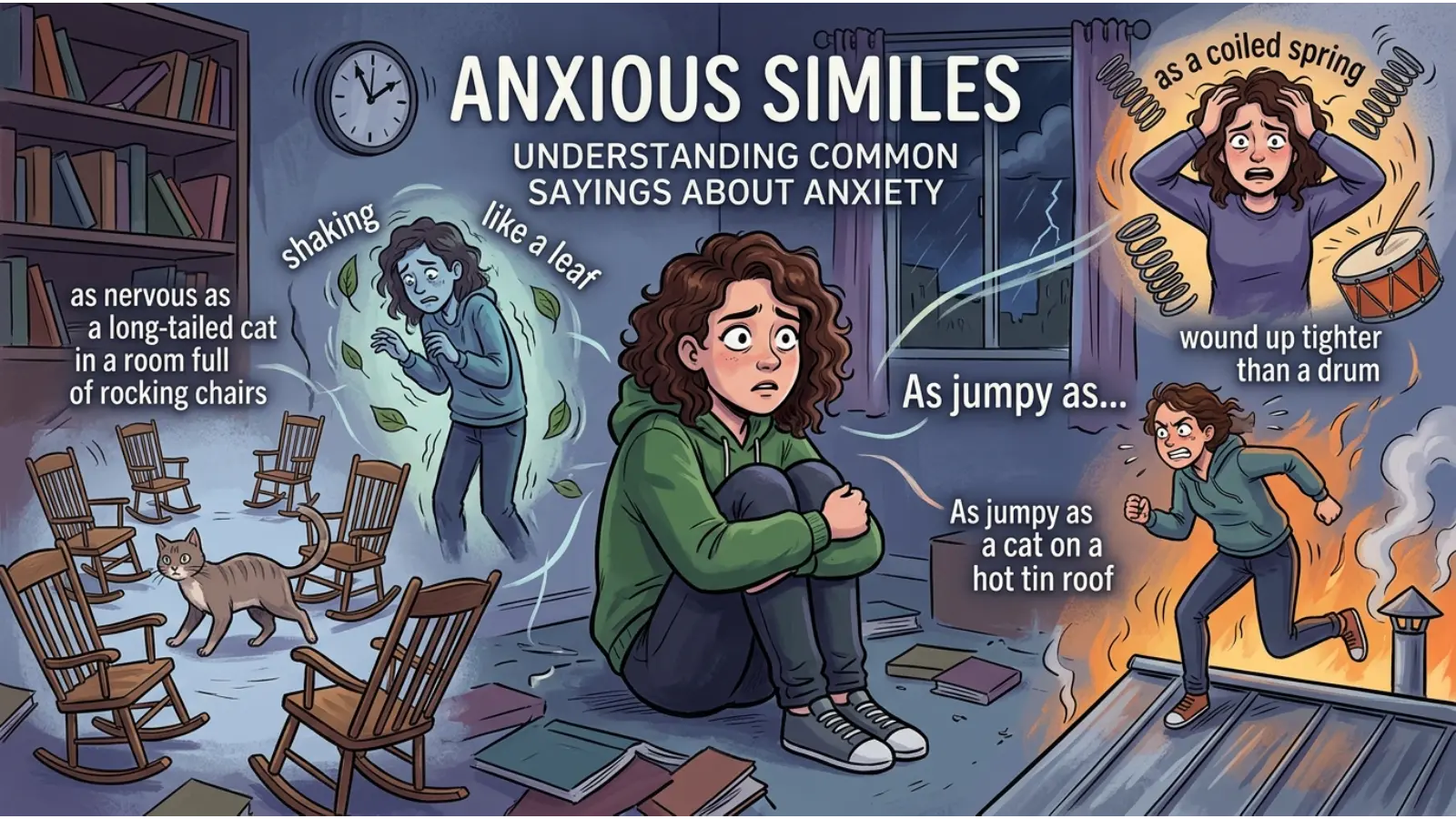
Anxious Similes can be difficult to describe because it is often invisible. A character may look calm while their thoughts race, their attention narrows, or every small uncertainty feels unusually important. This is where a strong simile can help. A simile compares two different things using words such as ...
Read more
Similes of Happiness: to Make Your Writing Shine
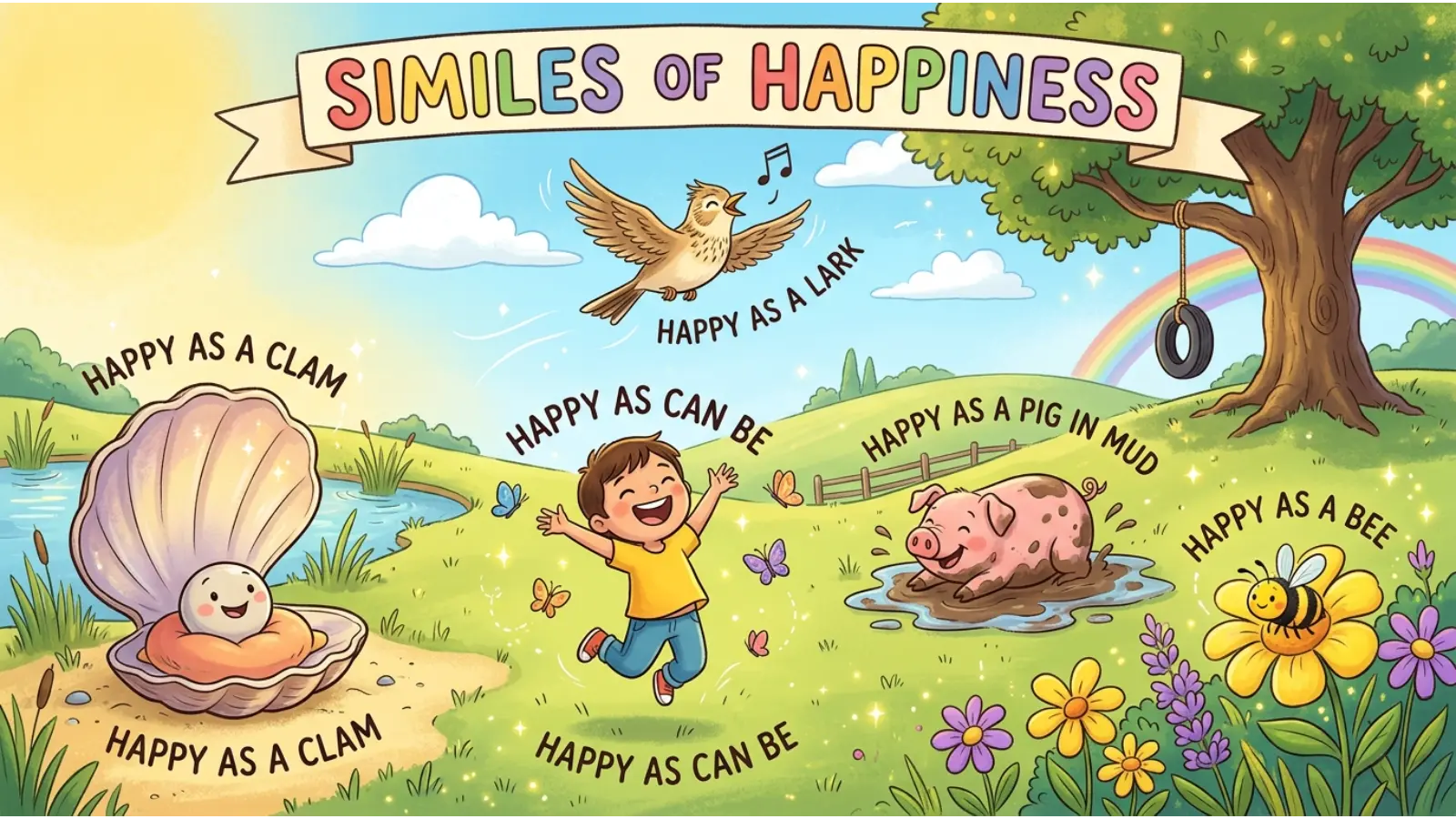
Similes of Happiness can be surprisingly difficult to describe. Saying someone is “happy” tells the reader the emotion, but it does not always make them feel it. A strong simile can turn that simple emotion into a picture, sound, movement, or moment that readers can imagine. Similes of happiness ...
Read more
School Similes: for Students: Easy & Fun Examples
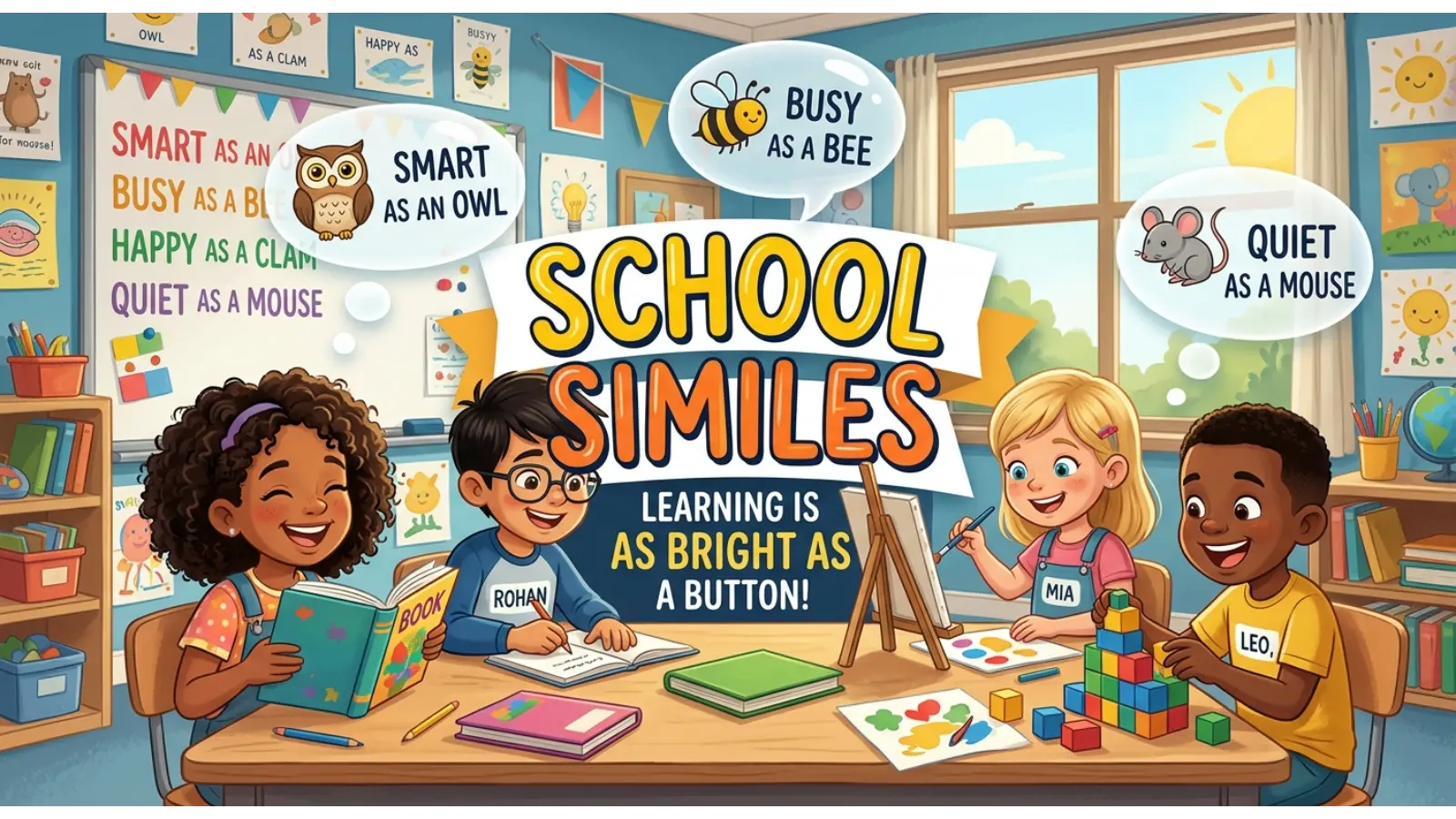
School Similes is full of moments that are easy to describe but surprisingly difficult to put into words. A noisy classroom, a nervous student before a test, a teacher explaining a difficult lesson, or a hallway crowded between classes can all become more memorable with the right comparison. A ...
Read more
Similes for Money: to Make Your Writing More Powerful
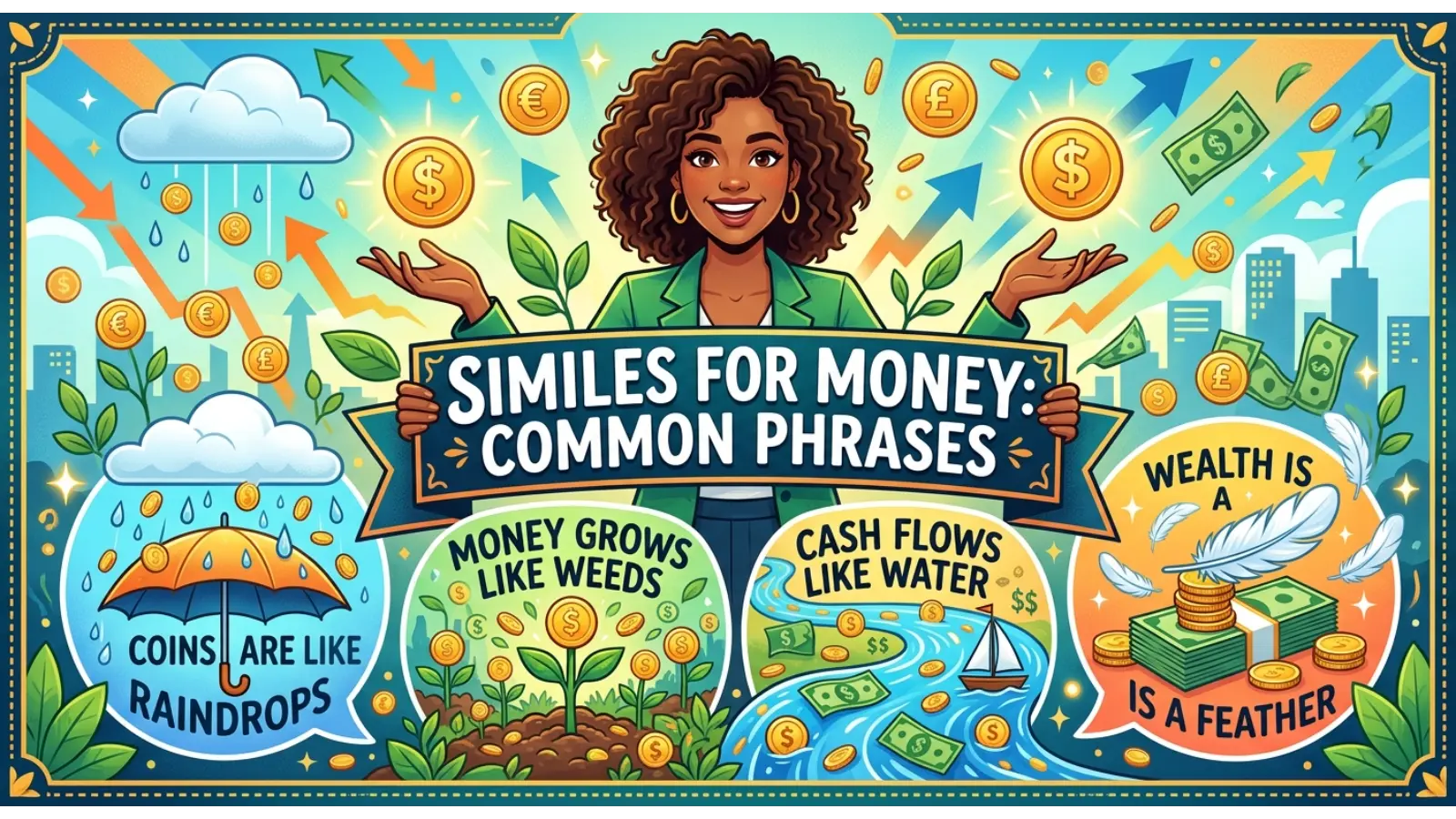
Similes for Money can be described in more interesting ways than simply saying someone is rich, poor, careful, or wasteful. A well-crafted comparison can turn an ordinary financial idea into an image readers can immediately understand. A simile compares two different things using words such as “like” or “as.” ...
Read more
Anxiety Similes: to Make Your Writing More Emotional
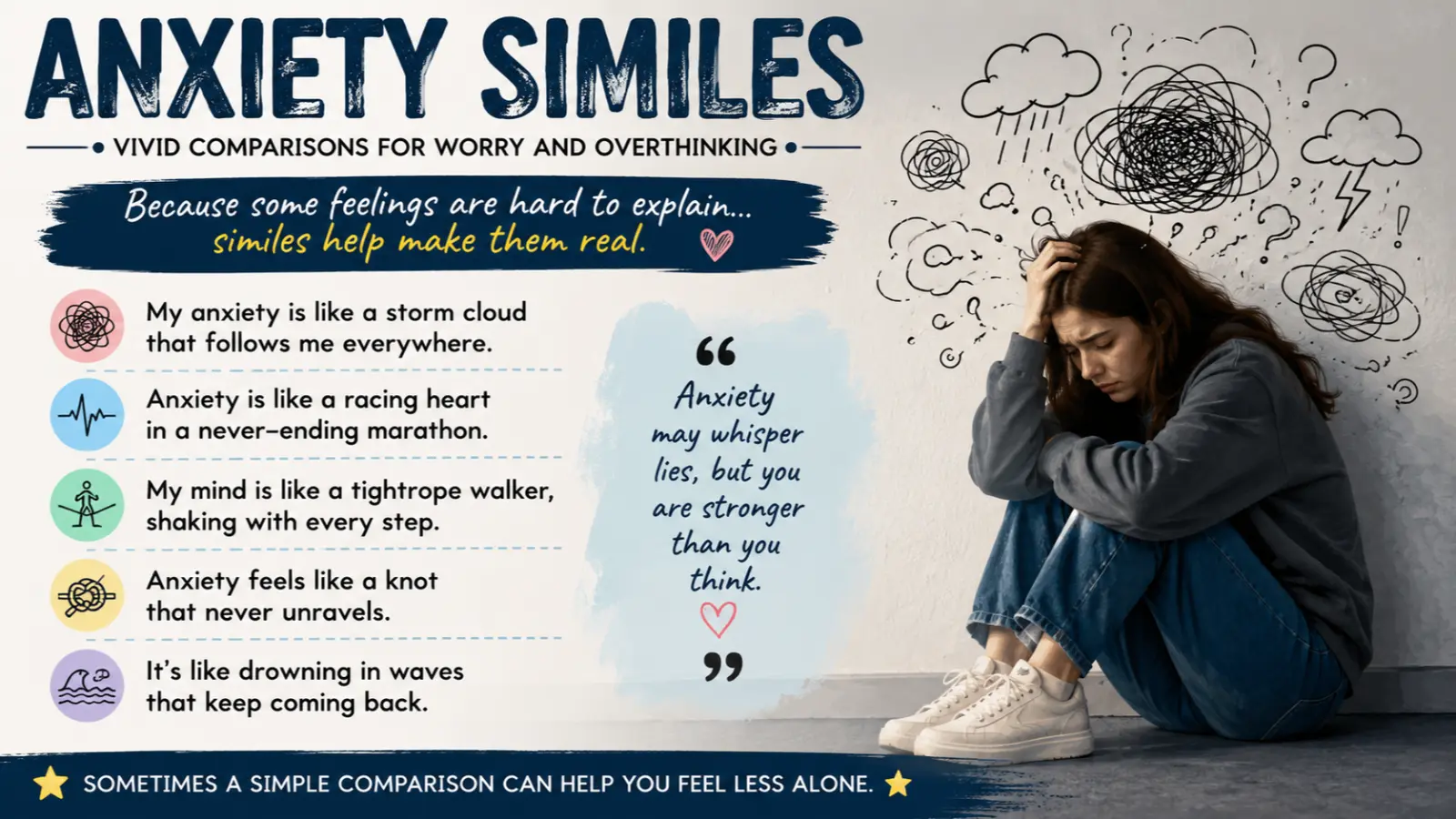
Anxiety Similes can be difficult to describe because it is often invisible. A person may look completely calm while their thoughts feel crowded, restless, or uncertain. A well-chosen simile gives that hidden feeling a concrete image readers can understand. A simile compares two different things using words such as ...
Read more
Friend Similes: Powerful Comparisons for Friendship and Fun

A Friend Similes compares two different things using words such as “like” or “as.” When writing about a friend, similes can turn an ordinary description into something readers can picture and feel. For example, instead of saying, “My friend is supportive,” you could write, “My friend is like a ...
Read more
Similes About Family: That Make Your Writing More Meaningful

Similes About Family relationships can be difficult to describe because they contain so many emotions at once: love, comfort, laughter, disagreement, loyalty, and memories. A well-chosen simile can turn those complicated feelings into an image readers immediately understand. For example, saying “My family is close” tells us something, but ...
Read more
Sleeping Similes :to Describe Sleep and Dreams
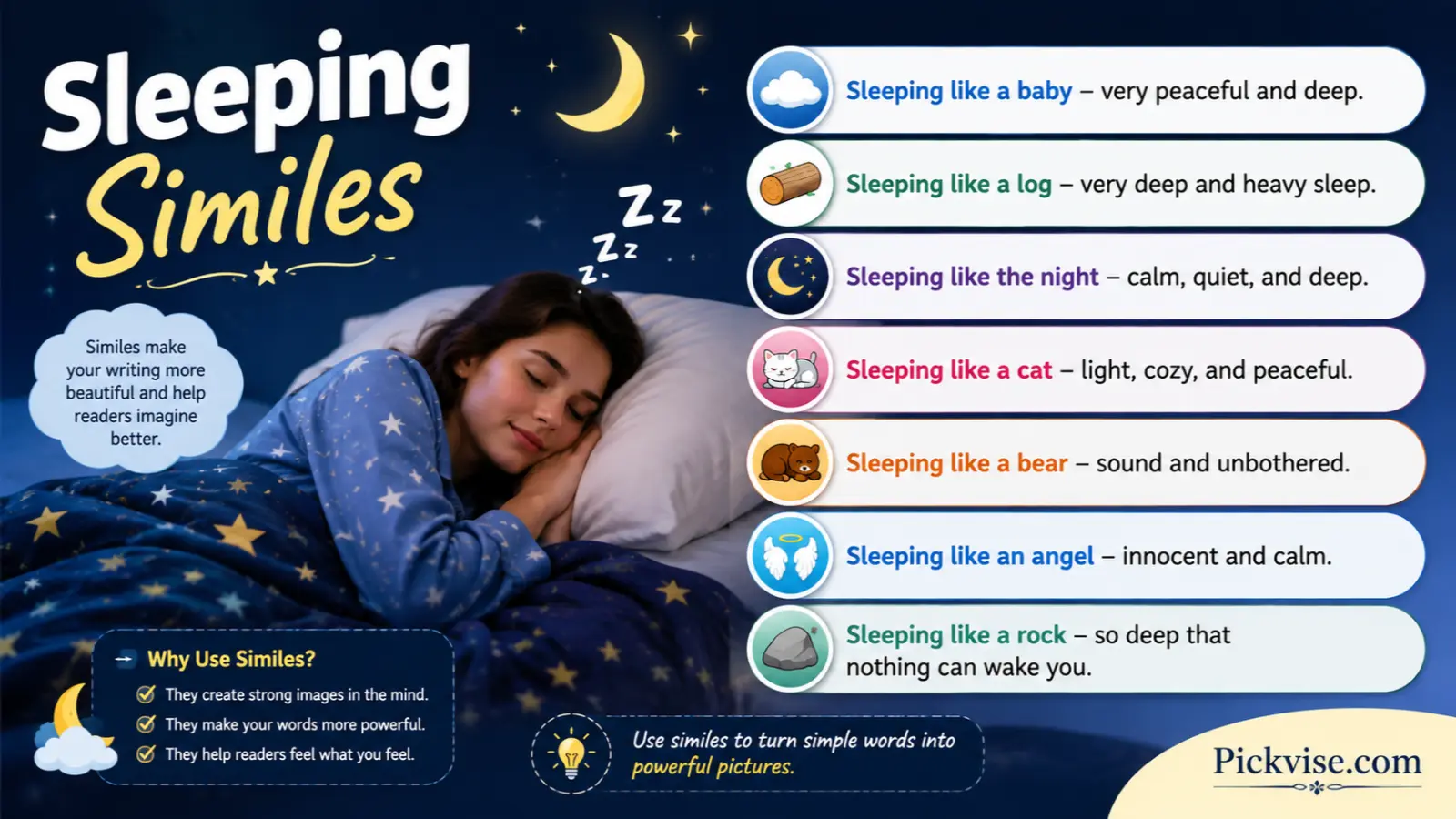
A Sleeping Similes compares two different things using words such as “like” or “as.” Sleeping similes use these comparisons to describe rest, drowsiness, dreams, nighttime stillness, or the feeling of slowly drifting away. Instead of simply writing, “She was asleep,” a writer can create a stronger image: “She slept ...
Read more
Similes About Snow: Beautiful, Creative & Easy Examples
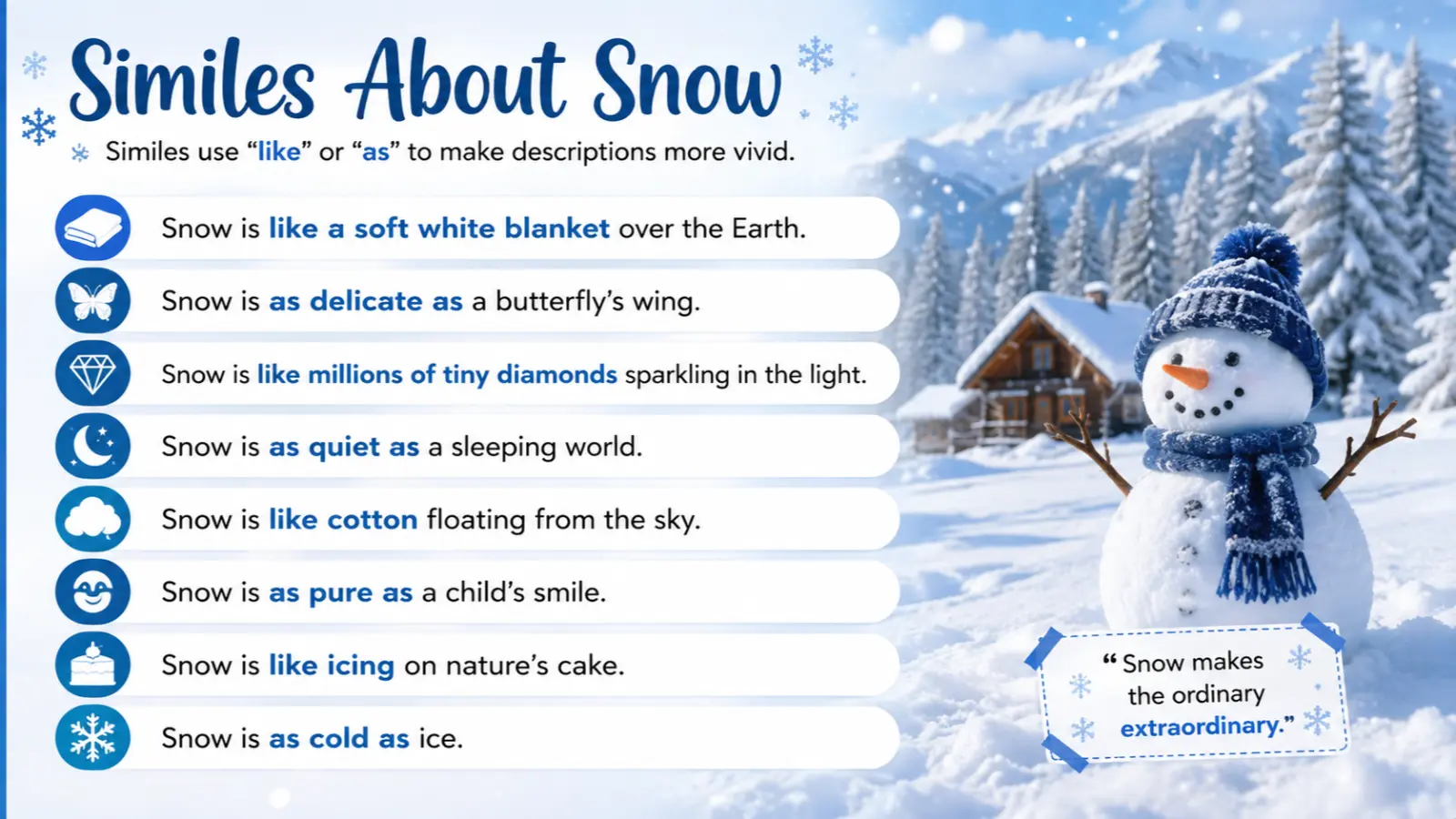
Similes About Snow can transform an ordinary scene into something quiet, mysterious, playful, or breathtaking. A writer can simply say that snow is white, but a well-chosen comparison can help readers see, hear, and feel the winter scene. A simile compares two different things using words such as “like” ...
Read more