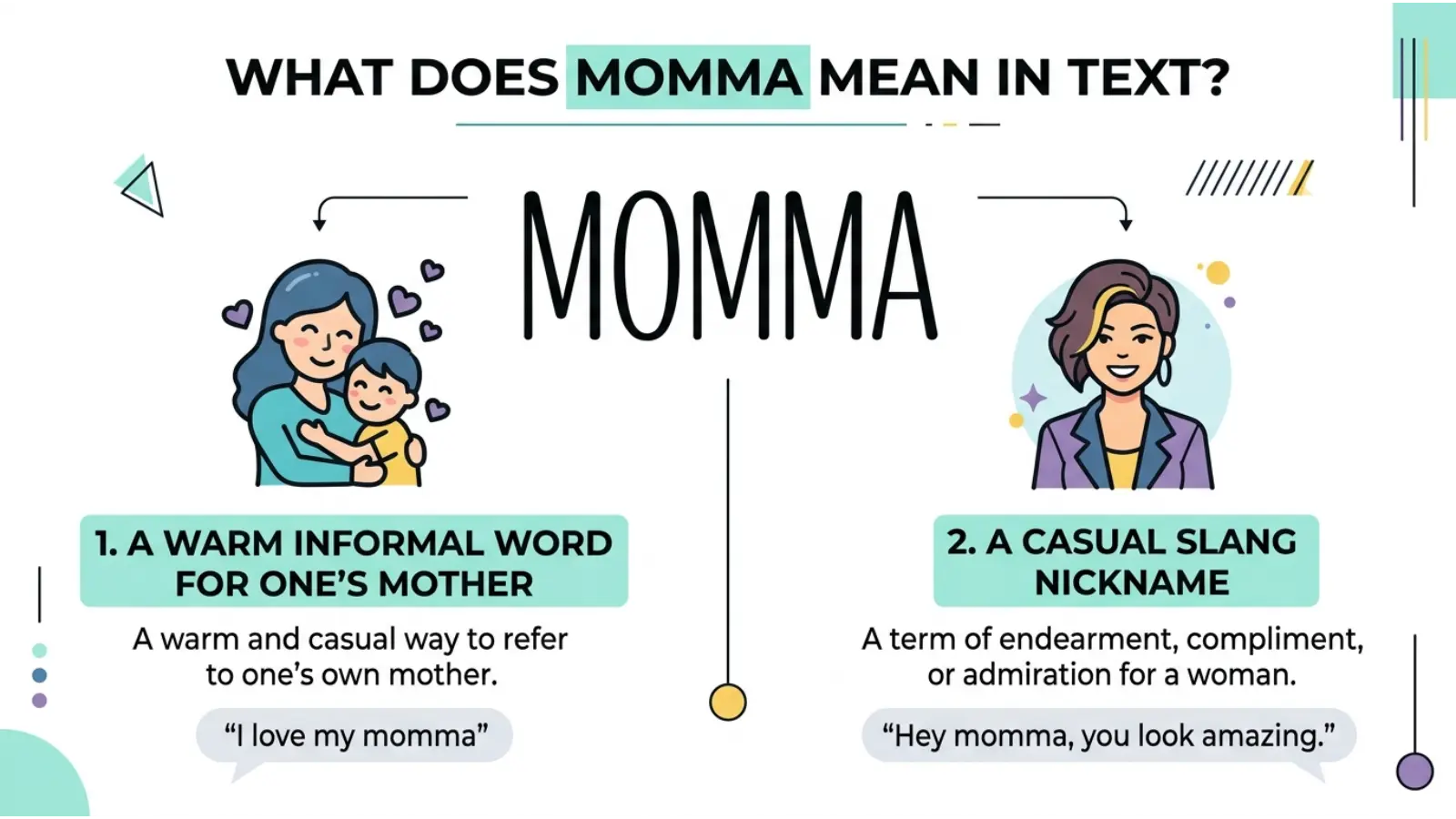
HY meaning in text can be confusing because this short abbreviation may have different meanings depending on the conversation.
When someone sends “hy” in a text, chat, comment, or social media message, you may wonder whether they are simply saying hello, using an abbreviation, or referring to something else.
The good news is that HY is usually simple and informal. In many texting conversations, people use “hy” as a short form of “hey,” especially when greeting someone quickly.
However, context matters because abbreviations can have different meanings in different communities.
If you received “hy” from a friend, follower, or stranger, looking at the words around it can help you understand the intended meaning.
Quick Answer
In texting, HY usually means “hey,” an informal greeting used to get someone’s attention or start a conversation. For example: “HY, what’s up?” means “Hey, what’s up?”
What Does HY Mean in Text?
The most common HY meaning in text is “hey.”
“Hey” is a casual greeting, similar to:
- Hi
- Hello
- Hey there
- What’s up?
Some people type “hy” because it is shorter, faster, or simply a personal texting habit.
Example
Person A: HY! How are you?
Person B: I’m good! What about you?
Here, HY clearly means “hey.”
It is generally informal and is more common in texts, chats, comments, and social media than in formal writing.
HY Full Form and Definition
If you are searching for the HY full form, the answer depends on context.
In casual texting, the intended meaning is often:
HY = Hey
It works as an informal greeting rather than a traditional English abbreviation.
For example:
- HY bro! = Hey bro!
- HY, are you free? = Hey, are you free?
- HY there! = Hey there!
Because “hy” is not a standard formal abbreviation for “hey,” you should not normally use it in academic papers, professional emails, or formal documents.
HY Meaning in Different Contexts
The meaning of HY can change according to where and how it is used.
1. HY in Text Messages
In ordinary texting, HY usually means “hey.”
Example:
“HY, what are you doing?”
Meaning:
“Hey, what are you doing?”
2. HY on Social Media
On platforms such as social networks, people may use “hy” as a quick greeting.
Example:
“HY everyone 👋”
This simply means:
“Hey everyone!”
3. HY in Online Chats
In gaming chats, group chats, or messaging apps, “hy” can be used to begin a conversation.
Example:
“HY, wanna play?”
The sender is casually saying:
“Hey, do you want to play?”
4. HY Between Friends
Friends may use “hy” because they already have a relaxed relationship.
Example:
“HY dude 😂”
The tone is friendly and informal.
Is HY Rude, Offensive, or Neutral?
Usually, HY is neutral and harmless when it means “hey.”
It is not normally considered an offensive slang term.
However, the tone can depend on the surrounding message.
Compare:
- “HY 😊” — friendly
- “HY!!!” — excited or energetic
- “hy…” — possibly hesitant or uninterested
- “HY, answer me.” — could sound demanding
The abbreviation itself is not rude. The context, punctuation, and relationship between the people can change how the message feels.
Where Is HY Commonly Used?
You may see HY in:
- Text messages
- Instagram comments and DMs
- Snapchat
- TikTok conversations
- Facebook Messenger
- Gaming chats
- Group chats
- Online communities
- Casual conversations
It is much less appropriate in formal communication.
For example, writing “HY professor” in a formal email may look careless. A better choice would be “Hello Professor…”
Real-Life Conversation Examples
Friendly Example
Alex: HY! Long time no see.
Sam: Hey! Yeah, it’s been a while!
Here, “HY” is a warm greeting.
Casual Example
Mia: HY, what’s up?
Liam: Not much. Just relaxing.
Excited Example
Mia: HY!!! Guess what happened!
Liam: What?! Tell me!
The repeated punctuation makes the greeting feel more energetic.
Argumentative Example
Person A: HY, why did you leave without telling me?
Person B: I thought you already knew.
Here, “HY” still means “hey,” but the rest of the sentence creates a serious or confrontational tone.
Emotional and Psychological Meaning of HY
The abbreviation HY does not have a fixed emotional meaning. Its emotional effect comes mainly from the surrounding words.
For example:
- “HY 😊” can feel warm and friendly.
- “HY!!!” can express excitement.
- “hy…” may feel uncertain or distant.
- “HY, listen.” can sound serious.
This is why it is risky to interpret someone’s emotions from “HY” alone.
Look at the complete message and the person’s usual texting style before assuming what they feel.
Origin and Background of HY
There is no single universally accepted origin for HY = hey in modern texting. It is best understood as an informal shortening or misspelling of the common greeting “hey.”
Internet communication has encouraged people to shorten words to make messages faster and more casual. Similar examples include:
- u = you
- r = are
- pls = please
- thx = thanks
- msg = message
“HY” follows the same general idea of quick online communication.
HY Meaning Slang vs. Standard English
When people search for “HY meaning slang,” they are usually asking whether it is a special slang term.
In most casual conversations, HY is simply an informal way to write “hey.” It does not necessarily carry a secret or complicated meaning.
However, abbreviations can have other meanings in specialized fields or communities. Therefore, always consider the context before deciding what “HY” means.
Comparison With Similar Texting Terms
| Term | Common Meaning | Tone | Typical Use |
|---|---|---|---|
| HY | Hey | Casual | Texting/chat |
| Hey | Greeting | Casual | Everyday conversation |
| Hi | Greeting | Neutral | Texting and speaking |
| Hello | Greeting | More formal | Professional/everyday |
| Yo | Hey/Hello | Very casual | Friends and informal chats |
| Wassup / Wsup | What’s up? | Very casual | Friends/texting |
The closest match to HY is usually “hey.”
When Should You Use HY?
You can use HY when:
- Talking with friends
- Sending casual texts
- Starting an informal chat
- Messaging someone you know
- Communicating in relaxed online communities
Example
“HY! Are you coming tonight?”
This is perfectly understandable in an informal conversation.
When Should You Avoid HY?
Avoid using HY when writing something formal or professional.
For example, avoid:
“HY Sir, I wanted to ask about the meeting.”
Instead, write:
“Hello Sir, I wanted to ask about the meeting.”
You should generally avoid texting abbreviations in:
- Job applications
- Formal emails
- School assignments
- Business letters
- Academic writing
- Official documents
Using standard English makes your communication clearer and more professional.
Polite Alternatives to HY
If you want to sound more polite, use:
- Hello
- Hi
- Hi there
- Good morning
- Good afternoon
- Good evening
- Hey there for friendly but natural communication
For professional communication, Hello is usually a safer choice.
Why Do People Use HY?
People may use HY because it is:
- Short
- Quick to type
- Casual
- Easy to understand
- Suitable for informal conversations
- A personal texting style
Online communication often favors speed and simplicity, so short forms naturally become common.
Impact of Using HY in Communication
Using HY usually has little negative impact when the conversation is casual.
However, the same abbreviation can look less professional in a formal setting.
For example:
Casual:
“HY bro! How’s your day?”
Professional:
“Hello, I hope you’re doing well.”
Knowing your audience is the key. The best wording depends on who you are talking to, where you are talking, and what tone you want to create.
Is HY Safe for Social Media?
Yes. When HY means “hey,” it is generally harmless and safe to use on social media.
It is simply an informal greeting.
Still, remember that online communities can develop their own abbreviations. If “HY” appears in a specialized conversation and “hey” does not make sense, check the surrounding context before interpreting it.
Common Misunderstandings About HY
One common misunderstanding is assuming that every use of HY has the same meaning.
It does not.
For example:
“HY, how are you?”
Clearly suggests “hey.”
But if HY appears in a technical, professional, gaming, or specialized context, it could potentially refer to something else.
Another mistake is assuming that “hy” is always rude or careless. In casual texting, it is usually just an informal greeting.
Variations and Types of HY
You may see several informal variations, including:
- hy
- HY
- Hy
- hy!
- HY!
- hy 😊
- hy bro
- hy there
Capitalization generally does not change the basic meaning.
The punctuation and words around it can, however, change the perceived tone.
How to Respond When Someone Uses HY
If someone sends you “HY,” you can respond naturally with:
- “Hey!”
- “Hi!”
- “Hey, what’s up?”
- “Hi, how are you?”
- “Hey! What’s going on?”
Example
Them: HY
You: Hey! What’s up?
You do not need to ask what “HY” means if the context clearly indicates a greeting.
Regional and Cultural Usage
Texting abbreviations vary between countries, age groups, friend groups, and online communities.
Some people may prefer:
- Hi
- Hey
- Hello
- Yo
- Hii
- Heyy
Others may type HY as their preferred shortcut.
Therefore, there is no universal rule that every English speaker uses “HY” in exactly the same way. Context and personal texting habits matter.
FAQs About HY Meaning in Text
What does HY mean in text?
HY usually means “hey” in casual text messages and online chats. It is an informal greeting.
What is the HY full form in texting?
In casual texting, the intended full form is usually “hey.” It is an informal shortened form rather than a formal English abbreviation.
What does HY stand for in slang?
When used as texting slang, HY commonly stands for “hey.” The exact meaning can vary in specialized contexts.
Is HY a rude word?
No. When HY means “hey,” it is generally neutral and harmless. The surrounding message determines whether the overall tone feels friendly, serious, or rude.
Can I use HY in a formal email?
It is better to avoid it. Use “Hello” or “Hi” instead when communicating professionally.
What should I reply to HY?
You can simply reply “Hey!”, “Hi!”, or “Hey, what’s up?” depending on the relationship and conversation.
Conclusion
The most common hy meaning in text is “hey,” an informal greeting used to start a conversation or get someone’s attention. You may encounter it in text messages, social media chats, comments, gaming conversations, and other casual online settings.
HY is generally neutral rather than rude or offensive. However, its tone can change depending on punctuation, surrounding words, and the relationship between the people communicating.
If someone sends you “HY,” a simple “Hey!” or “Hi!” is usually a natural response. Just remember to use standard greetings such as “Hello” or “Hi” in formal and professional situations.