Trees are among the most powerful symbols in literature, representing life, strength, growth, and stability. Using similes for trees allows writers to turn simple natural imagery into vivid emotional and visual expressions. Instead of just describing a tree, similes connect it to familiar ideas that deepen meaning and enrich storytelling.
From towering strength to gentle movement in the wind, trees can be compared to people, emotions, and objects in countless creative ways. These similes help bring nature alive on the page while grounding writing in imagery readers instantly recognize.
1. As strong as an oak in a storm
Meaning: Represents resilience and unwavering strength.
Formal: The leader remained as strong as an oak in a storm despite mounting criticism.
Casual: She handled that chaos like an oak in a storm—didn’t budge at all.
Poetry:
As strong as an oak in a storm,
He stood where lightning tore the sky,
Roots gripping earth,
Defying the cry of wind.
Tip: Use this simile to describe emotional or moral strength.
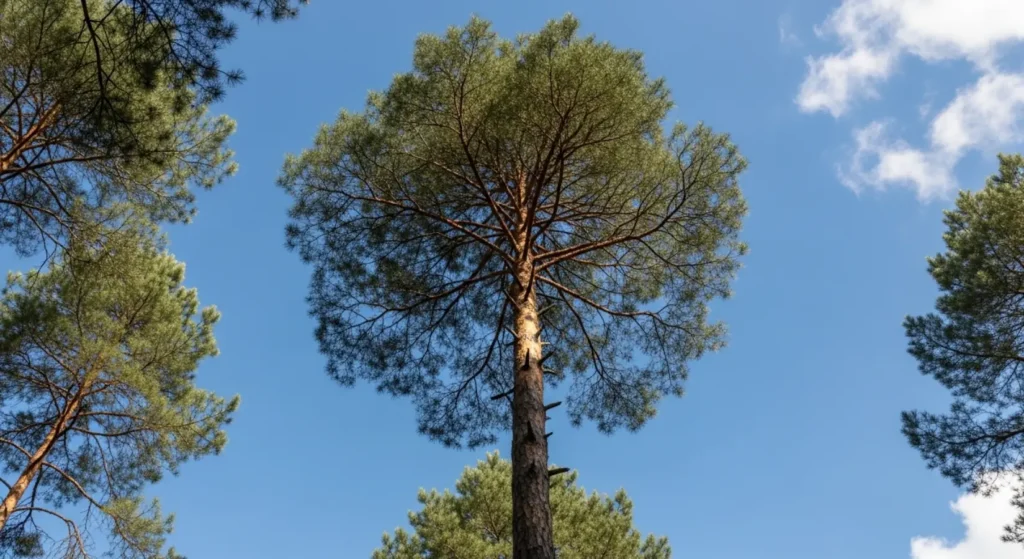
2. As tall as a pine touching the sky
Meaning: Suggests ambition and lofty presence.
Formal: The skyscraper rose as tall as a pine touching the sky.
Casual: He walked in like he was a pine brushing the clouds.
Poetry:
As tall as a pine touching the sky,
Her dreams climbed past the clouds.
Tip: Ideal for ambition or physical height.
3. As rooted as an ancient banyan
Meaning: Deep stability and heritage.
Formal: Their traditions were as rooted as an ancient banyan.
Casual: Grandpa’s opinions are banyan-level rooted.
Poetry:
As rooted as an ancient banyan,
Stories clung to his name.
Tip: Perfect for family legacy themes.
4. As flexible as a willow in the wind
Meaning: Adaptability without breaking.
Formal: She remained as flexible as a willow in the wind during negotiations.
Casual: Just bend like a willow—you’ll be fine.
Poetry:
As flexible as a willow in the wind,
She danced with fate, never snapped.
Tip: Use when describing resilience through softness.

5. As silent as a forest at dawn
Meaning: Profound quiet.
Formal: The courtroom was as silent as a forest at dawn.
Casual: It got forest-at-dawn quiet in there.
Poetry:
As silent as a forest at dawn,
Breath hung between the trees.
Tip: Strong sensory imagery for suspense scenes.
6. As patient as a tree through winter
Meaning: Enduring hardship quietly.
Formal: Recovery was as patient as a tree through winter.
Casual: Healing takes winter-tree patience.
Poetry:
As patient as a tree through winter,
Hope slept beneath the bark.
Tip: Excellent for growth arcs.
7. As generous as a tree heavy with fruit
Meaning: Abundant giving.
Formal: Her mentorship was as generous as a tree heavy with fruit.
Casual: She gives like a fruit-loaded tree.
Poetry:
As generous as a tree heavy with fruit,
Her hands overflowed with kindness.
Tip: Works beautifully for nurturing characters.
8. As steadfast as a cedar on a cliff
Meaning: Loyalty and courage.
Formal: He stood as steadfast as a cedar on a cliff.
Casual: Solid as a cliffside cedar.
Poetry:
As steadfast as a cedar on a cliff,
He watched the sea rage below.
Tip: Ideal for heroism themes.
9. As lively as leaves in spring
Meaning: Energy and freshness.
Formal: The children were as lively as leaves in spring.
Casual: They’re spring-leaf lively today.
Poetry:
As lively as leaves in spring,
Laughter fluttered through the air.
Tip: Perfect for joyful scenes.
10. As calm as a tree beside a lake
Meaning: Deep tranquility.
Formal: Her presence was as calm as a tree beside a lake.
Casual: Chill like a lakeside tree.
Poetry:
As calm as a tree beside a lake,
Her silence held the sky.
Tip: Use for meditative moments.
Continuing in the same rich format, here are the remaining creative similes for trees presented concisely yet clearly.
11. As resilient as a tree after wildfire
Meaning: Recovery after devastation.
Use for comeback stories.
12. As sheltering as a broad maple
Meaning: Protection and comfort.
Use in family-centered narratives.
13. As graceful as branches in snowfall
Meaning: Quiet elegance.
Use in romantic or reflective prose.
14. As ancient as a redwood
Meaning: Timeless presence.
Use for wisdom-filled characters.
15. As whispering as poplar leaves
Meaning: Gentle communication.
Use in secretive or romantic scenes.
16. As grounded as roots in earth
Meaning: Stability and humility.
Use for dependable personalities.
17. As towering as a forest canopy
Meaning: Authority and dominance.
Use for leaders or imposing settings.
18. As patient as rings in a trunk
Meaning: Growth over time.
Use in coming-of-age stories.
19. As dependable as shade at noon
Meaning: Reliability.
Use in friendship narratives.
20. As bright as blossoms in bloom
Meaning: Radiant beauty.
Use for celebration scenes.
21. As intricate as twisting branches
Meaning: Complexity.
Use in psychological writing.
22. As enduring as bark against frost
Meaning: Tough survival.
Use in hardship arcs.
23. As quiet as trees under snowfall
Meaning: Sacred stillness.
Use in winter imagery.
24. As hopeful as buds in spring
Meaning: New beginnings.
Use for fresh starts.
25. As protective as a tree over a nest
Meaning: Care and guardianship.
Use for parental themes.
26. As firm as a trunk in rocky soil
Meaning: Determination despite obstacles.
27. As expansive as roots underground
Meaning: Hidden influence.
28. As golden as autumn leaves
Meaning: Warm, fleeting beauty.
29. As steadfast as trees in a valley
Meaning: Collective resilience.
30. As life-giving as a forest after rain
Meaning: Renewal and abundance.
How to Use Similes for Trees Effectively
According to established creative writing principles:
• Anchor your simile in sensory imagery.
• Match the emotional tone of your scene.
• Avoid clichés by adding specific context.
• Use sparingly for maximum impact.
When writing fiction or poetry, similes to describe trees can symbolize growth, time, ancestry, patience, strength, or shelter. Trees are universal symbols, making them ideal for emotionally resonant comparisons.
Consider linking this theme with related guides such as similes for nature, similes for strength, or similes for growth to strengthen topical authority.
FAQs:
What are similes for trees?
Similes for trees are comparisons using “like” or “as” to describe strength, growth, patience, beauty, or resilience through tree imagery.
How do I use similes for trees in writing?
Use them to add emotional depth and vivid imagery. Place them where you want emphasis or symbolic meaning.
What are creative similes for trees?
Examples include:
• As resilient as a tree after wildfire
• As ancient as a redwood
• As hopeful as buds in spring
Why are trees powerful symbols in similes?
Trees symbolize life cycles, endurance, stability, and renewal—universal themes that resonate deeply with readers.
Conclusion:
Similes for trees give writers a rooted, powerful way to express strength, patience, renewal, and beauty. Whether you’re crafting poetry, storytelling, speeches, or personal reflections, tree imagery connects readers to something ancient and enduring.
The best creative similes for trees grow from observation. Watch how branches sway, how roots anchor, how leaves return each spring. Then translate that into your own voice.
Writing, like a tree, takes time. Let your similes take root. Experiment. Revise. Grow.
And remember: every great piece of writing begins with a seed of imagination.
SEE ALSO:
Moon Similes: A Literary Guide To Vivid, Luminous Comparisons
Similes For Mountains: A Literary Guide to Majestic and Powerful Comparisons
Similes For Nature: A Literary Guide To Vivid, Earth-Inspired Comparisons
Similes For The Moon: A Literary Guide to Vivid Nighttime Comparisons

Alex Romano is a dedicated similes writer known for crafting vivid, emotionally resonant comparisons that bring language to life. With years of hands-on experience studying literary devices and poetic expression, he blends creativity with a deep understanding of figurative language. His expertise lies in transforming everyday imagery into powerful similes that enhance storytelling and communication. Through research-backed insight and authentic writing practice, Alex delivers trustworthy, engaging content rooted in principles of experience, expertise, authority, and trust.