Similes are among the most powerful tools in language because they transform abstract emotions into vivid, relatable images.
By comparing one experience to another using “like” or “as,” similes help readers feel what a character feels rather than simply being told about it.
When writing about pain and suffering, this technique becomes especially important. Physical agony, emotional heartbreak, grief, and endurance are difficult to describe directly, yet similes give them shape, color, and movement.
Think of how people naturally speak during hardship—“It felt like knives in my back” or “My chest was heavy as stone.” These comparisons instantly communicate intensity.
In poetry, fiction, memoirs, and even motivational writing, similes bring suffering to life, creating empathy and emotional truth that readers recognize from their own experiences
Table of Contents: 30 Similes for Pain and Suffering
| # | Simile Phrase | Short Meaning |
|---|---|---|
| 1 | As painful as walking on broken glass | Sharp, constant agony |
| 2 | As heavy as a mountain on the chest | Emotional suffocation |
| 3 | As raw as an open wound | Fresh emotional hurt |
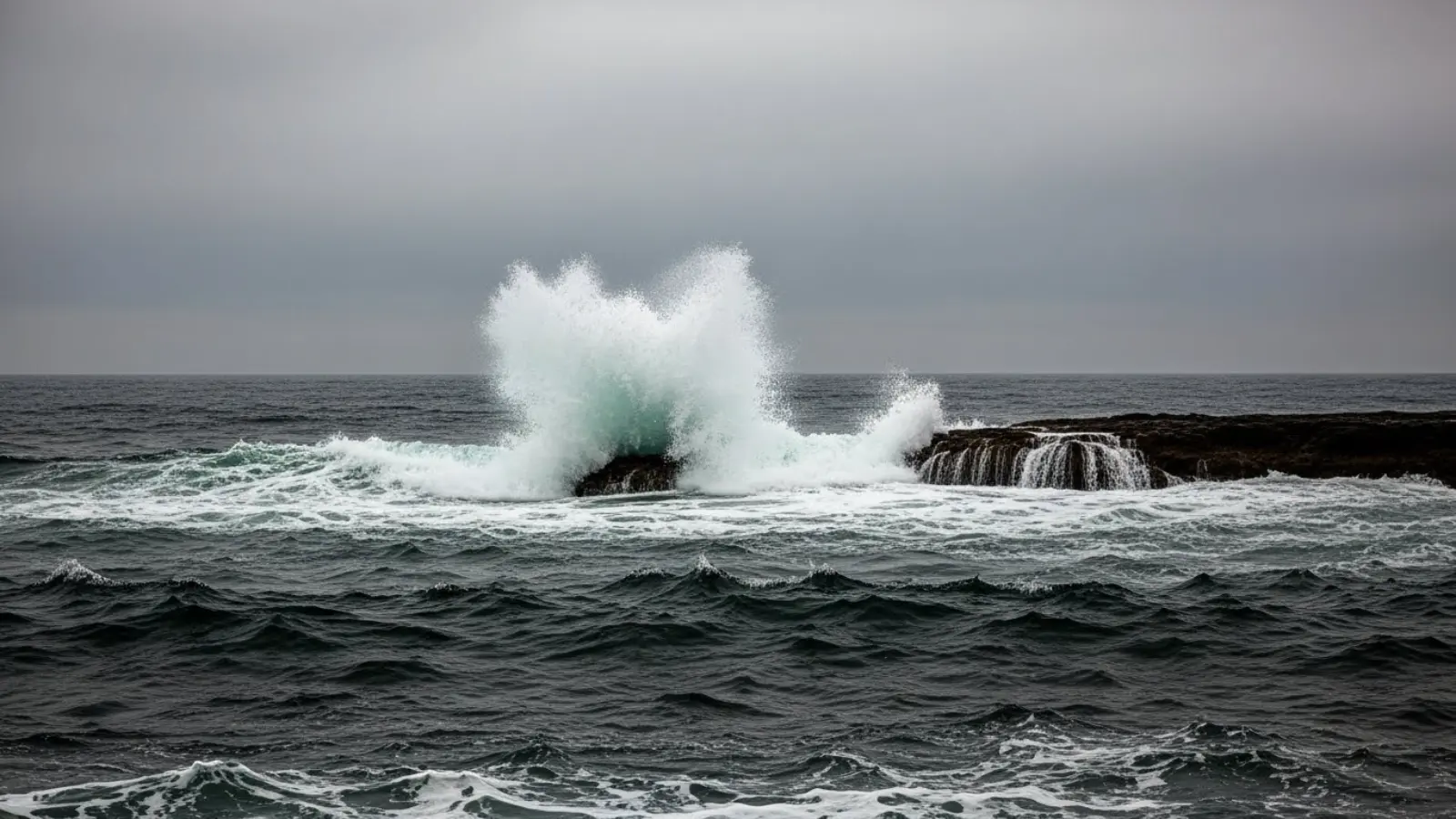
| 4 | As relentless as crashing waves | Ongoing suffering |
| 5 | As bitter as winter without fire | Hopeless misery |
| 6 | As burning as salt in a wound | Intensified pain |
| 7 | As lonely as an echo in a cave | Isolated suffering |
| 8 | As numb as frozen fingers | Emotional shutdown |
| 9 | As suffocating as smoke in a closed room | Overwhelming distress |
| 10 | As cruel as thorns under bare feet | Persistent discomfort |
| 11 | As fragile as cracked glass | Emotional vulnerability |
| 12 | As exhausting as climbing without rest | Long-term hardship |
| 13 | As dark as a moonless night | Deep despair |
| 14 | As piercing as winter wind | Sudden emotional pain |
| 15 | As heavy as unspoken grief | Silent suffering |
| 16 | As sharp as a surgeon’s blade | Sudden intense pain |
| 17 | As endless as a desert road | Prolonged hardship |
| 18 | As hollow as an abandoned house | Emptiness after loss |
| 19 | As crushing as a collapsing wall | Emotional breakdown |
| 20 | As slow as healing bones | Long recovery |
| 21 | As loud as screaming silence | Internal torment |
| 22 | As tangled as barbed wire | Complicated pain |
| 23 | As cold as hospital lights at midnight | Clinical loneliness |
| 24 | As fragile as a healing scar | Lingering hurt |
| 25 | As restless as an open sore | Inescapable discomfort |
| 26 | As choking as swallowed tears | Suppressed suffering |
| 27 | As aching as rain-soaked joints | Constant dull pain |
| 28 | As heavy as regret at dawn | Emotional remorse |
| 29 | As cruel as memory’s return | Pain from remembrance |
| 30 | As weary as a battlefield at dusk | Exhaustion after trauma |
1. As painful as walking on broken glass
Meaning: Describes sharp, persistent physical or emotional pain that worsens with movement.
Example in Prose
Formal: The injury made every step as painful as walking on broken glass.
Casual: After the breakup, even smiling felt like walking on broken glass.
Example in Poetry:
Each memory cut beneath my skin,
A thousand shards where hope had been.
I moved through days of shattered mass,
As painful as walking on broken glass.
Tip/Use: Ideal for intense physical injury or emotionally raw moments.
2. As heavy as a mountain on the chest
Meaning: Represents suffocating grief, anxiety, or despair.
Prose
Formal: Grief sat as heavy as a mountain on his chest.
Casual: I couldn’t breathe—it felt like a mountain was on me.
Poetry:
Breath collapsed beneath its weight,
A mountain pressed upon my fate.
Tip: Excellent for anxiety scenes and emotional breakdowns.
3. As raw as an open wound
Meaning: Pain that is recent, sensitive, and easily triggered.
Prose
Formal: The loss remained as raw as an open wound.
Casual: It still hurts—too raw to talk about.
Poetry:
No scar had formed, no healing start,
My grief lay raw upon the heart.
Tip: Works best for fresh heartbreak or trauma.
4. As relentless as crashing waves
Meaning: Pain that comes repeatedly without relief.
Prose:
Formal: The guilt returned as relentless as crashing waves.
Casual: The sadness just kept coming back.
Poetry:
Wave on wave, the sorrow stayed,
Never resting, never swayed.
Tip: Effective for chronic illness or recurring emotional pain.

5. As bitter as winter without fire
Meaning: Cold hopelessness and emotional emptiness.
Poetry:
The days stretched pale and thin,
Winter burned with cold within.
Tip: Excellent imagery for depression or despair.Cold hopelessness and deep emotional emptiness, where comfort and warmth feel completely absent.
6. As burning as salt in a wound
Meaning:
Pain that becomes worse when reminded of the cause or insulted further.
Poetry:
Each word reopened what once had healed,
Salted pain no shield could shield.
Tip:
Best used for betrayal, humiliation, or emotional wounds made deeper by harsh words.
7. As lonely as an echo in a cave
Meaning:
Profound isolation with no emotional response from others.
Poetry:
My voice returned but none replied,
An echo walking by my side.
Tip:
Ideal for scenes of abandonment, solitude, or emotional neglect.
8. As numb as frozen fingers
Meaning:
Loss of feeling caused by prolonged pain or trauma.
Poetry:
The cold crept deep, emotions stilled,
Frozen hands, the heart was chilled.
Tip:
Effective for trauma aftermath or emotional shutdown.
9. As suffocating as smoke in a closed room
Meaning:
Overwhelming fear, anxiety, or emotional pressure.
Poetry:
The air grew thick, my breath grew small,
Smoke pressed close against the wall.
Tip:
Powerful imagery for panic attacks or mental stress.

10. As cruel as thorns under bare feet
Meaning:
Constant discomfort that worsens with movement.
Poetry:
Each step I took drew silent pain,
Thorns beneath a hope-starved lane.
Tip:
Useful for describing ongoing hardship or guilt.
11. As fragile as cracked glass
Meaning:
Emotionally unstable and easily broken.
Poetry:
A single touch could make me fall,
Cracked reflections lined the wall.
Tip:
Excellent for vulnerable characters.
12. As exhausting as climbing without rest
Meaning:
Long-term struggle with no relief.
Poetry:
The hill rose high, the breath ran thin,
No summit waited, none within.
Tip:
Perfect for chronic illness, caregiving, or long journeys.
13. As dark as a moonless night
Meaning:
Total despair and emotional blindness.
Poetry:
No star remained to guide my sight,
Only fear and endless night.
Tip:
Strong choice for depression or hopeless moments.
14. As piercing as winter wind
Meaning:
Sudden emotional or physical pain.
Poetry:
One sentence cut my breath in two,
A frozen gust my heart blew through.
Tip:
Best used for shocking news or rejection.
15. As heavy as unspoken grief
Meaning:
Silent sorrow carried alone.
Poetry:
No tears would fall, no words were said,
Yet grief lay thick where hearts had bled.
Tip:
Ideal for restrained emotional scenes.
16. As sharp as a surgeon’s blade
Meaning:
Immediate, cutting pain or truth.
Poetry:
The truth arrived without delay,
A blade that carved my calm away.
Tip:
Works well for brutal honesty or betrayal.
17. As endless as a desert road
Meaning:
Suffering with no visible end.
Poetry:
Miles of sand and blistered light,
No finish line appeared in sight.
Tip:
Perfect for emotional endurance themes.
18. As hollow as an abandoned house
Meaning:
Deep emptiness after loss.
Poetry:
Rooms still stood but warmth had fled,
Footsteps echoed what was dead.
Tip:
Excellent imagery for grief or loneliness.
19. As crushing as a collapsing wall
Meaning:
Sudden emotional devastation.
Poetry:
The world fell in with roaring sound,
No space to breathe, no solid ground.
Tip:
Ideal for tragic revelations.
20. As slow as healing bones
Meaning:
Recovery that takes time and patience.
Poetry:
Days crept by in aching tone,
Hope rebuilt like broken bone.
Tip:
Use for emotional healing arcs.
21. As loud as screaming silence
Meaning:
Inner torment without expression.
Poetry:
No sound was heard, yet pain would cry,
A silent scream that split the sky.
Tip:
Excellent for internal conflict writing.
22. As tangled as barbed wire
Meaning:
Complicated emotional pain.
Poetry:
Each thought caught and tore apart,
Wire wrapped tight around the heart.
Tip:
Good for toxic relationships or confusion.
23. As cold as hospital lights at midnight
Meaning:
Lonely, sterile sadness.
Poetry:
White walls hummed in sleepless tone,
Cold light watched me die alone.
Tip:
Strong modern imagery for fear and isolation.
24. As fragile as a healing scar
Meaning:
Pain that still exists beneath recovery.
Poetry:
The skin was closed, yet tender still,
A mark that time could not fulfill.
Tip:
Great for post-trauma reflection.
25. As restless as an open sore
Meaning:
Persistent pain that refuses calm.
Poetry:
It throbbed beneath both day and dream,
A wound that never ceased to scream.
Tip:
Useful for guilt or unresolved conflict.
26. As choking as swallowed tears
Meaning:
Suppressed emotion causing inner pain.
Poetry:
My voice stood still, my throat grew tight,
Tears trapped deep refused their flight.
Tip:
Excellent for emotional restraint scenes.
27. As aching as rain-soaked joints
Meaning:
Dull, lingering pain.
Poetry:
Old storms returned with every rain,
Memory moved in steady pain.
Tip:
Perfect for aging, nostalgia, or regret.
28. As heavy as regret at dawn
Meaning:
Emotional weight felt after reflection.
Poetry:
Morning light revealed my shame,
A rising sun that whispered blame.
Tip:
Effective for moral conflict or remorse.
29. As cruel as memory’s return
Meaning:
Pain revived by remembering the past.
Poetry:
The past knocked softly on my door,
And bled my present once again.
Tip:
Ideal for trauma flashbacks.
30. As weary as a battlefield at dusk
Meaning:
Total exhaustion after struggle or trauma.
Poetry:
The fight was done, the cost was clear,
Only silence lingered near.
Tip:
Powerful closing imagery for hardship stories.
Tips for Writers
- Bold similes improve skimmability for readers and search engines.
- Use similes sparingly—overuse weakens emotional impact.
- Pair similes with sensory detail (sound, touch, smell).
- Ask: Does this comparison feel human and relatable?
- Revise clichés into personal imagery for originality.
“A strong simile does not decorate writing—it reveals it.”
— Common guidance from creative writing instructorsFAQS;
1. What are similes for pain and suffering?
They are comparisons using “like” or “as” that help describe physical or emotional distress vividly.
2. Why are similes effective in emotional writing?
They translate invisible emotions into images readers understand through shared experience.
3. Can similes describe emotional pain better than literal language?
Often yes. Emotional pain is abstract; similes make it tangible.
4. Are similes used in professional writing?
Yes—literature, therapy narratives, speeches, and memoirs frequently rely on similes.
5. How can I create my own similes?
Start with the emotion → identify its sensation → compare it to a universal experience.
Conclusion:
Similes for pain and suffering give writers the power to transform silent agony into imagery readers can feel. Whether describing heartbreak, grief, endurance, or healing, these comparisons bridge the gap between experience and expression. Instead of simply stating that a character hurts, similes allow the reader to walk beside that pain—to hear it, sense it, and understand it.
By experimenting with creative similes in poetry, prose, journaling, or storytelling, writers develop emotional depth and authenticity. The most memorable writing doesn’t avoid suffering—it gives it meaning through language.

Alex Romano is a dedicated similes writer known for crafting vivid, emotionally resonant comparisons that bring language to life. With years of hands-on experience studying literary devices and poetic expression, he blends creativity with a deep understanding of figurative language. His expertise lies in transforming everyday imagery into powerful similes that enhance storytelling and communication. Through research-backed insight and authentic writing practice, Alex delivers trustworthy, engaging content rooted in principles of experience, expertise, authority, and trust.