“Bad” is a broad and flexible word that can describe anything from poor quality to harmful behavior or unpleasant experiences. In writing, simply saying something is “bad” often feels flat and uninteresting. That’s where similes come in. They allow writers to express negative qualities in a more vivid, imaginative, and emotionally engaging way by comparing them to familiar unpleasant images or experiences.
Similes for “bad” help turn simple judgment into powerful description. Whether you are describing a flawed character, a disappointing situation, or a harmful action, these comparisons make your writing more expressive and memorable. This guide explores creative similes that capture negativity in a way that feels clear, impactful, and literary.
25 Creative Similes for Bad
1. As bad as spoiled milk
Meaning: Completely unpleasant and impossible to enjoy.
Example in Prose
Formal: The proposal was as bad as spoiled milk, leaving investors visibly uneasy.
Casual: That movie was as bad as spoiled milk.
Example in Poetry
The promise turned sour in the night,
Dreams curdled under harsh daylight.
Tip/Use: Perfect for describing disappointment in everyday experiences.
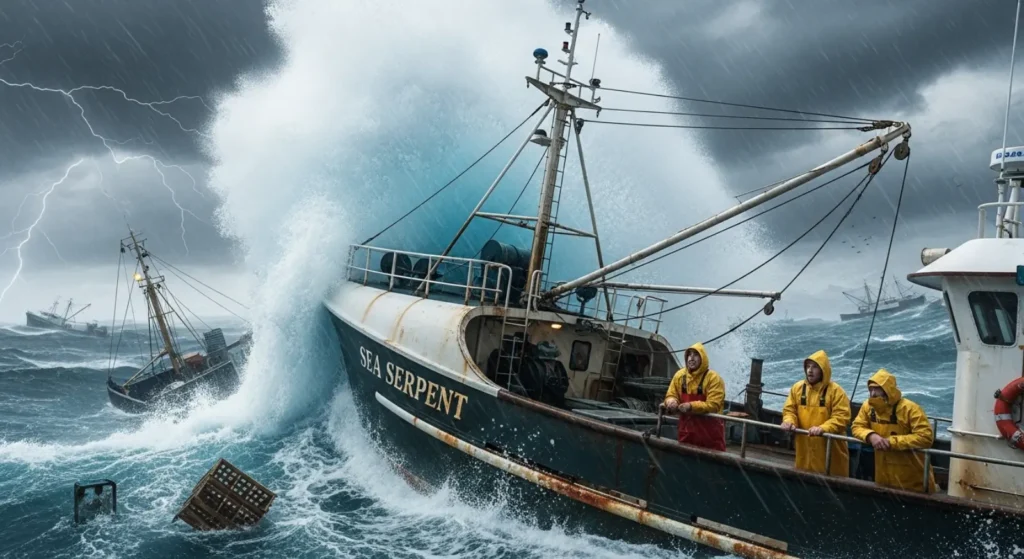
2. As bad as a storm at sea
Meaning: Dangerous and uncontrollable.
Formal: The situation grew as bad as a storm at sea.
Casual: Things got as bad as a storm at sea at work today.
Poetry:
Waves of trouble rose and roared,
Hope tossed like a fragile board.
Tip: Ideal for chaotic conflicts.
3. As bad as a broken promise
Meaning: Deep emotional disappointment.
Formal: The betrayal felt as bad as a broken promise.
Casual: Missing the event felt as bad as breaking a promise.
Poetry:
Trust shattered in silent cries,
Truth fading in wounded eyes.
Tip: Use in emotional storytelling.

4. As bad as rotten fruit
Meaning: Completely ruined.
Formal: The project ended as bad as rotten fruit.
Casual: The deal went rotten fruit bad.
Poetry:
Sweet hopes turned foul and weak,
Rot settling in dreams we seek.
Tip: Useful for spoiled opportunities.
5. As bad as a nightmare
Meaning: Extremely unpleasant or frightening.
Formal: The ordeal was as bad as a nightmare.
Casual: That exam felt like a nightmare.
Poetry:
Sleep brought fears I couldn’t fight,
Darkness swallowed morning light.
Tip: Works well in suspense writing.
6. As bad as stepping on glass
Meaning: Painful and sudden trouble.
Formal: The news hit as bad as stepping on glass.
Casual: That surprise bill hurt like stepping on glass.
Poetry:
Pain pierced calm without a sound,
Sharp regrets on silent ground.
Tip: Best for unexpected pain.
7. As bad as a sinking ship
Meaning: Failure is inevitable.
Formal: The company felt like a sinking ship.
Casual: That plan is a sinking ship.
Poetry:
Dreams slipped under restless foam,
Hope drowned far from home.
Tip: Use for doomed situations.
8. As bad as burnt toast
Meaning: Completely spoiled.
Formal: The negotiation ended as bad as burnt toast.
Casual: Dinner turned out burnt-toast bad.
Poetry:
Smoke curled where flavors died,
Taste turned bitter, hope denied.
Tip: Good for humorous criticism.
9. As bad as a dead battery
Meaning: Totally ineffective.
Formal: His response was as bad as a dead battery.
Casual: My phone’s as bad as a dead battery today.
Poetry:
Energy drained, silence grew,
Motion faded out of view.
Tip: Ideal for lack of energy or progress.
10. As bad as a traffic jam
Meaning: Frustrating and slow-moving.
Formal: Progress stalled as bad as a traffic jam.
Casual: Work today was traffic-jam bad.
Poetry:
Engines idled, patience thin,
Time trapped where roads begin.
Tip: Use in modern urban writing.
11. As bad as a leaky roof
Meaning: Persistent trouble.
Formal: The problem was as bad as a leaky roof.
Casual: My schedule leaks like a roof.
Poetry:
Drops of trouble through the night,
Sleep washed away from sight.
Tip: Perfect for recurring problems.
12. As bad as spoiled weather
Meaning: Plans ruined unexpectedly.
Formal: The event turned as bad as spoiled weather.
Casual: Vacation got spoiled-weather bad.
Poetry:
Clouds erased our sunny schemes,
Rain dissolved vacation dreams.
Tip: Works well for ruined expectations.
13. As bad as a wrong turn in the dark
Meaning: Leads unknowingly into danger.
Formal: The decision proved as bad as a wrong turn in the dark.
Casual: That choice was a dark-turn mistake.
Poetry:
Steps wandered where fear was born,
Paths lost before the dawn.
Tip: Great for suspense scenes.
14. As bad as a cracked foundation
Meaning: Fundamentally flawed.
Formal: The argument stood on a cracked foundation.
Casual: The plan’s foundation is cracked.
Poetry:
Walls trembled from hidden flaws,
Truth weakened by unseen laws.
Tip: Best for structural or logical failure.
15. As bad as a lost signal
Meaning: Connection failure.
Formal: Communication broke down like a lost signal.
Casual: Our teamwork lost signal today.
Poetry:
Voices faded into air,
Meaning vanished everywhere.
Tip: Use in modern tech contexts.
16. As bad as a sour taste
Meaning: Leaves unpleasant memory.
Formal: The ending left a sour taste.
Casual: That deal left a sour taste.
Poetry:
Sweet hopes curdled in regret,
Lingering flavors we forget.
Tip: Good for lingering disappointment.
17. As bad as a torn parachute
Meaning: Dangerously flawed situation.
Formal: The safety measures felt like a torn parachute.
Casual: That plan’s a torn parachute.
Poetry:
Falling fast through broken trust,
Safety shattered into dust.
Tip: Best for high-stakes risks.
18. As bad as an empty wallet
Meaning: Highly inconvenient.
Formal: The loss hit as bad as an empty wallet.
Casual: Payday feels forever away—wallet empty bad.
Poetry:
Coins gone silent in the night,
Hope waiting for morning light.
Tip: Great for everyday relatability.
19. As bad as a failing engine
Meaning: Near collapse.
Formal: Operations felt like a failing engine.
Casual: This project’s engine is dying.
Poetry:
Smoke rose where motion died,
Progress stalled and hopes cried.
Tip: Ideal for declining situations.
20. As bad as a broken clock
Meaning: Completely unreliable.
Formal: His timing proved as bad as a broken clock.
Casual: He’s as reliable as a broken clock.
Poetry:
Seconds lost their guiding hand,
Time slipped like desert sand.
Tip: Use humorously in character critique.
21. As bad as spoiled plans
Meaning: Deep disappointment.
Formal: The cancellation felt as bad as spoiled plans.
Casual: Weekend plans got spoiled.
Poetry:
Dreams folded before they grew,
Rain fell where joy once flew.
Tip: Good for relatable storytelling.
22. As bad as walking into a trap
Meaning: Unexpected danger.
Formal: The deal felt like walking into a trap.
Casual: That was a total trap move.
Poetry:
Steps led where danger lay,
Hope vanished along the way.
Tip: Useful for thriller writing.
23. As bad as a collapsing bridge
Meaning: Sudden disaster.
Formal: Trust fell like a collapsing bridge.
Casual: That situation collapsed fast.
Poetry:
Paths broke under heavy strain,
Journeys lost in sudden pain.
Tip: Best for dramatic scenes.
24. As bad as poison in sweet wine
Meaning: Hidden danger beneath beauty.
Formal: The offer hid poison in sweet wine.
Casual: Looked good, turned bad fast.
Poetry:
Honeyed words with bitter end,
Smiles hiding wounds they send.
Tip: Excellent for deception narratives.
25. As bad as winter without heat
Meaning: Miserably uncomfortable.
Formal: Conditions felt like winter without heat.
Casual: That room was winter-without-heat bad.
Poetry:
Cold crept into weary bones,
Silence echoed frozen tones.
Tip: Works well in survival or hardship stories.
Writer Engagement Tips
Experienced authors recommend using similes sparingly but strategically. A simile placed at emotional turning points strengthens reader immersion.
Practical tips:
- Use similes during conflict or emotional peaks.
- Avoid overloading paragraphs with comparisons.
- Choose imagery familiar to your audience.
- Mix nature, technology, and daily-life imagery.
Creative similes for bad situations are especially powerful in dialogue, humor writing, and character descriptions.
As writing instructor William Zinsser advised, clarity and vividness are key to memorable prose—similes help achieve both.
Writers exploring related topics may also benefit from reading guides on similes for fear, sadness, anger, or happiness to strengthen emotional vocabulary.
FAQS:
What is a simile?
A simile compares two different things using “like” or “as” to create vivid imagery.
How do similes improve writing?
They make abstract feelings or qualities easier to visualize and emotionally understand.
What are good examples of similes for bad situations?
Examples include “as bad as spoiled milk,” “as bad as a sinking ship,” and “as bad as stepping on glass.”
How often should similes be used?
Use them strategically rather than frequently so they remain impactful.
Can writers create their own similes?
Absolutely. Personal or culturally relevant comparisons often feel the most authentic.
Conclusion:
Similes for bad situations help writers communicate disappointment, danger, failure, and discomfort in vivid, memorable ways. Instead of telling readers something is bad, these comparisons allow them to feel it instantly. Whether you’re crafting fiction, poetry, journalism, or personal stories, creative similes strengthen emotional clarity and reader engagement.
Experiment with your own comparisons drawn from daily life, nature, and personal experience. The more you practice, the sharper your storytelling becomes. Every writer eventually develops signature imagery—so explore boldly and let your language turn even unpleasant moments into unforgettable scenes on the page.
See Also:
Similes For Being Happy: A Literary Guide to Expressing Joy Through Vivid Comparisons
Similes For Sadness: A Literary Guide To Expressing Sorrow Through Vivid Comparisons
Similes For Depression: A Literary Guide to Expressing Darkness Through Vivid Comparisons
Sad Similes: A Literary Guide to Expressing Sorrow Through Vivid Comparisons

Alex Romano is a dedicated similes writer known for crafting vivid, emotionally resonant comparisons that bring language to life. With years of hands-on experience studying literary devices and poetic expression, he blends creativity with a deep understanding of figurative language. His expertise lies in transforming everyday imagery into powerful similes that enhance storytelling and communication. Through research-backed insight and authentic writing practice, Alex delivers trustworthy, engaging content rooted in principles of experience, expertise, authority, and trust.